
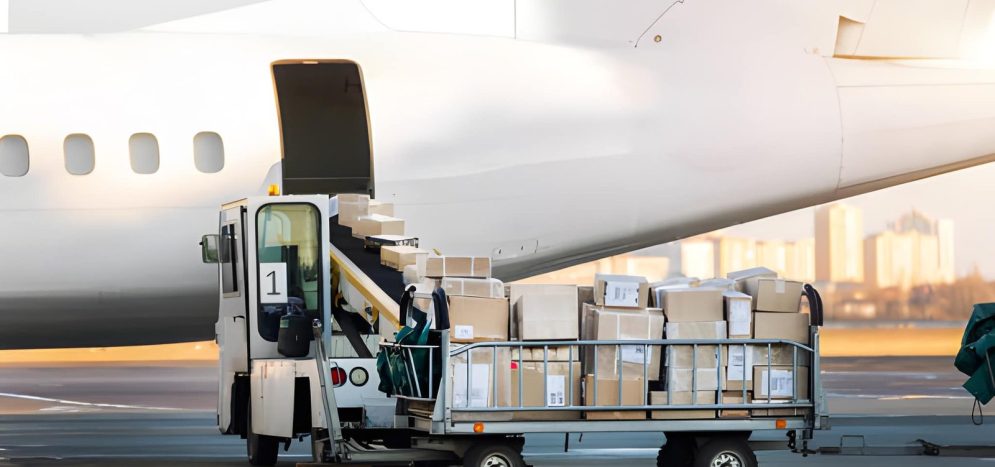
In today’s fast-moving global economy, businesses across Canada need reliable and efficient ways to transport goods across borders. Whether you are shipping high-value products, time-sensitive materials, or urgent inventory, international air freight shipping in Canada plays a crucial role in keeping supply chains running smoothly.
Air freight is known for its speed, security, and global reach. It allows businesses to move goods quickly between countries, reducing delays and meeting customer expectations. Understanding how the process works can help you make better logistics decisions and improve overall efficiency. This guide explains the key steps, benefits, and considerations involved in international air freight shipping.
What Is International Air Freight Shipping in Canada
Canadian businesses benefit from strong airport networks and global cargo connections that support faster deliveries. International air freight shipping refers to the transportation of goods by aircraft between countries. It is a vital part of global logistics and is commonly used for shipments that require fast delivery.
Businesses often use air freight for electronics, medical supplies, perishable goods, and high-value items. Compared to sea freight, air freight offers significantly shorter transit times, making it ideal for urgent shipments.
While it may cost more than other shipping methods, the speed and reliability often justify the investment, especially for businesses that depend on timely deliveries.
How International Air Freight Shipping Works in Canada
Step 1: Booking with an Air Freight Company
The process begins by selecting a reliable air freight company. Businesses provide shipment details such as weight, dimensions, type of goods, and destination.
A logistics partner like Sprinter Air helps coordinate the shipment, offering guidance on the best routes and services. Choosing an experienced provider ensures smoother operations and fewer complications.
Step 2: Cargo Preparation and Packaging
Proper packaging is essential for protecting goods during transit. Items must be packed securely to withstand handling and transportation.
Labeling is also important. Each package should include accurate information to ensure correct handling and delivery. Documentation is prepared at this stage to meet regulatory requirements.
Step 3: Customs Clearance
Customs clearance is a critical step in international shipping. Both export and import regulations must be followed to avoid delays.
Required documents may include commercial invoices, packing lists, and certificates of origin. Ensuring accuracy in documentation helps speed up the process.
An experienced logistics provider can assist with customs procedures, reducing the risk of errors and ensuring compliance with regulations.
Step 4: Transportation and Delivery
Once cleared, the cargo is transported to the airport and loaded onto the aircraft. After arrival at the destination, the shipment goes through import customs clearance.
The final step involves delivery to the recipient’s location. Efficient coordination ensures that the goods reach their destination on time.
Key Benefits of International Air Freight Shipping in Canada for Businesses
For companies operating in Canada, air freight helps maintain efficient supply chains and meet customer expectations faster. One of the main advantages of air freight is speed. Shipments can be delivered within days, compared to weeks for sea freight.
Global reach is another benefit. Air freight connects major cities and remote locations, making it easier to expand your business internationally.
Air freight also offers high security. Airports have strict handling procedures, reducing the risk of damage or theft.
Reliable scheduling is another advantage. Flights operate on fixed schedules, allowing businesses to plan shipments more effectively.
Cost Factors for International Air Freight Shipping in Canada
Several factors influence the cost of air freight shipping.
Weight and volume play a significant role. Charges are often based on the greater of actual weight or volumetric weight.
Distance and destination also affect pricing. Longer routes and remote locations may increase costs.
Fuel surcharges and additional fees, such as handling and customs charges, should also be considered.
Urgency can impact cost as well. Express services are typically more expensive but provide faster delivery.
Understanding these factors helps businesses plan their logistics budget more effectively.
Choosing the Right Air Freight Company in Canada
Businesses should choose a logistics provider with experience handling international shipments from Canada. Selecting the right logistics partner is essential for a successful shipping experience.
Experience in global logistics is a key factor. A company with a strong track record can handle complex shipments and provide reliable service.
Network coverage is also important. A wide network ensures that your goods can reach various destinations efficiently.
Customer support and tracking capabilities enhance transparency. Being able to monitor your shipment in real time provides peace of mind.
Working with a trusted provider like Sprinter Air ensures that your shipments are handled professionally and delivered on time.
Tips for Efficient Cargo Shipping in Canada
Planning is one of the best ways to ensure smooth shipping. Early preparation allows you to secure space and avoid last-minute issues.
Accurate documentation is essential. Double-checking all paperwork reduces the risk of delays.
Optimizing packaging can help lower costs. Efficient use of space reduces volumetric weight and overall charges.
Partnering with experienced logistics providers like Sprinter Air ensures that your shipments are managed effectively from start to finish.
Future Trends in Global Air Freight
The air freight industry is evolving with new technologies and trends.
Digital tracking systems are improving transparency and efficiency. Businesses can now monitor shipments in real time and make informed decisions.
Automation is streamlining operations, reducing errors, and improving speed.
Sustainability is becoming a focus area. Companies are exploring ways to reduce carbon emissions and adopt eco-friendly practices.
As global trade continues to grow, demand for fast and reliable shipping solutions will increase.
Conclusion
International trade requires efficient and dependable logistics solutions. Understanding how international air freight shipping in Canada works helps businesses make informed decisions, reduce delays, and improve overall supply chain performance.
If you are looking for a reliable partner to handle your global shipments, Sprinter Air offers expert solutions tailored to your business needs. With a strong network, professional support, and a commitment to timely delivery, Sprinter Air ensures your cargo reaches its destination safely and efficiently. Contact Sprinter Air today and take your international shipping operations to the next level.
FAQs
1. What is international air freight shipping in Canada?
International air freight shipping is the transportation of goods by aircraft across countries, offering fast and reliable delivery for businesses.
2. How long does international air freight shipping take in Canada?
Transit time typically ranges from 1 to 7 days, depending on the destination, customs clearance, and service type.
3. What factors affect international air freight shipping costs in Canada?
Costs depend on weight, volume, distance, fuel charges, urgency, and additional services like customs handling.
4. Is international air freight shipping in Canada better than sea freight?
Air freight is faster and more secure, while sea freight is more cost-effective for large and non-urgent shipments.
5. What documents are required for international air freight shipping in Canada?
Common documents include a commercial invoice, packing list, airway bill, and any required certificates for customs clearance.
