
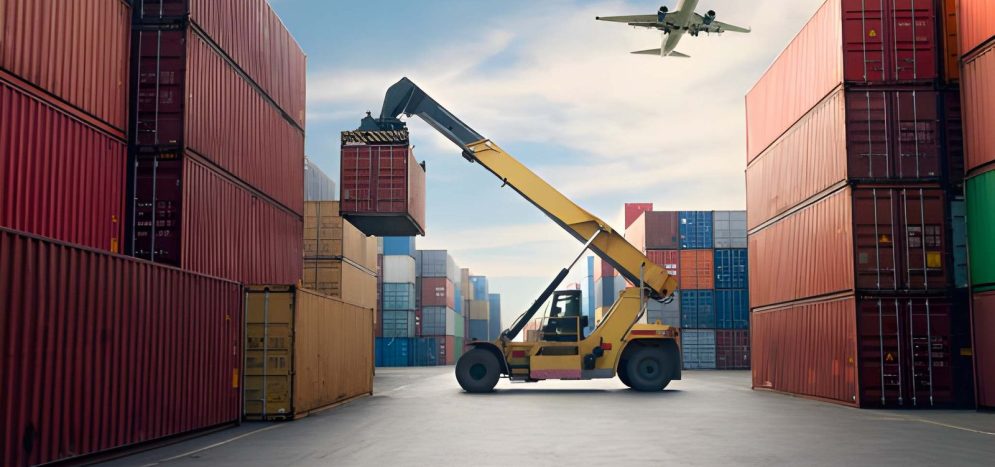
In today’s competitive industrial landscape, manufacturing logistics plays a vital role in keeping production lines running efficiently and customers satisfied. Manufacturers face increasing pressure to produce goods faster, manage inventory effectively, and deliver products on time. As supply chains become more complex and customer expectations continue to rise, businesses can no longer afford delays or inefficient transportation.
An effective manufacturing logistics strategy ensures that raw materials, components, and finished products move smoothly through every stage of production and distribution. By improving speed, visibility, and coordination, manufacturers can reduce operational costs while maintaining consistent product quality and delivery performance.
What Is Manufacturing Logistics?
Manufacturing logistics refers to the planning, coordination, and movement of materials, products, and information throughout the manufacturing process. It begins with sourcing raw materials and continues through production, warehousing, transportation, and final delivery to customers.
Unlike general logistics, manufacturing logistics focuses specifically on supporting production operations. The goal is to ensure that every part of the supply chain works together efficiently so manufacturing schedules stay on track and customer orders are fulfilled without unnecessary delays.
As global markets continue to expand, manufacturers rely on well-organized logistics systems to maintain productivity and remain competitive.
Why Speed Matters in Modern Manufacturing
Speed has become one of the most important factors in successful manufacturing. Customers expect shorter lead times, faster deliveries, and reliable order fulfillment. Even minor shipping delays can disrupt production schedules, increase operating costs, and affect customer relationships.
Efficient manufacturing logistics allows businesses to move materials quickly between suppliers, production facilities, warehouses, and customers. Faster transportation and streamlined coordination reduce waiting times while helping manufacturers respond more effectively to changing market demands.
Companies that prioritize speed are often better positioned to meet deadlines, improve customer satisfaction, and strengthen their competitive advantage.
The Manufacturing Logistics Process
The manufacturing logistics process involves several connected stages that work together to support production.
The process begins with sourcing raw materials from suppliers. Careful planning ensures materials arrive when needed without creating excessive inventory. Once materials reach the manufacturing facility, they are stored, organized, and supplied to production lines according to manufacturing schedules.
As products move through production, logistics teams coordinate the movement of components between departments while maintaining inventory visibility. After manufacturing is complete, finished goods are packaged, prepared for shipment, and transported to distributors, retailers, or end customers.
Every stage depends on accurate planning and efficient communication to avoid disruptions that could slow production or delay deliveries.
The Connection Between Manufacturing and Logistics
Manufacturing and logistics are closely connected because production depends on the timely movement of materials. Without reliable transportation and inventory management, manufacturers may experience shortages that interrupt production or create excess stock that increases storage costs.
Strong coordination between manufacturing and logistics helps businesses balance inventory levels, reduce waste, and improve overall operational efficiency. It also enables manufacturers to adapt more quickly to unexpected demand changes or supply chain disruptions.
When these two functions operate together, businesses can improve productivity while maintaining consistent service for customers.
The Role of Freight Forwarding in Manufacturing Logistics
Many manufacturers rely on freight forwarding services to simplify domestic and international transportation. Freight forwarders coordinate shipments, arrange transportation, prepare shipping documentation, and manage customs procedures when products cross international borders.
Professional freight forwarding services help manufacturers reduce administrative work while improving shipment visibility throughout the transportation process. This allows businesses to focus on production while experienced logistics professionals manage complex shipping requirements.
Reliable freight coordination also helps reduce delays and supports more predictable delivery schedules.
Common Challenges in Manufacturing Logistics
Manufacturers often face challenges that can affect production efficiency and customer satisfaction. Supply chain disruptions, transportation delays, fluctuating demand, and inventory shortages all create risks that require careful planning.
International shipping regulations, customs procedures, and limited transportation capacity can further complicate logistics operations. Rising freight costs also encourage manufacturers to optimize shipping routes and improve inventory management to control expenses.
Successful businesses continuously evaluate their logistics strategies to identify opportunities for greater efficiency and improved responsiveness.
How Technology Improves Manufacturing Logistics
Technology has transformed manufacturing logistics by providing greater visibility across the supply chain. Real-time shipment tracking allows manufacturers to monitor cargo throughout transportation and make informed decisions when unexpected issues occur.
Warehouse management systems improve inventory accuracy while transportation management software helps businesses optimize shipping routes and reduce transit times. Demand forecasting tools also support better production planning by helping manufacturers anticipate future inventory requirements.
These technologies enable businesses to make faster decisions while improving coordination between suppliers, manufacturers, and logistics providers.
Why Partnering With the Right Logistics Provider Matters
Choosing an experienced logistics partner can significantly improve manufacturing performance. A knowledgeable provider understands transportation planning, documentation requirements, inventory coordination, and international shipping regulations.
Sprinter Air supports manufacturers by delivering reliable logistics solutions that help keep production schedules on track while improving supply chain efficiency. Through careful planning and effective coordination, businesses can minimize delays and maintain greater confidence in their transportation operations.
Working with a trusted logistics provider also allows manufacturers to focus on production while experienced professionals manage the complexities of moving goods efficiently.
Conclusion
Manufacturing logistics has become a critical component of modern manufacturing success. As customer expectations continue to increase and supply chains become more demanding, businesses need efficient logistics strategies that support faster production and reliable deliveries.
By improving transportation planning, inventory management, and supply chain coordination, manufacturers can reduce delays, control costs, and strengthen overall operational performance. Partnering with an experienced provider like Sprinter Air helps businesses navigate complex logistics challenges while building a more efficient and responsive supply chain for long-term growth.
FAQs
1. What is manufacturing logistics?
Manufacturing logistics is the process of planning, managing, and transporting raw materials, components, and finished goods throughout the manufacturing and distribution process.
2. Why is manufacturing logistics important?
Manufacturing logistics helps businesses improve production efficiency, reduce delays, control inventory, and ensure products are delivered to customers on time.
3. How does freight forwarding support manufacturing logistics?
Freight forwarding simplifies domestic and international shipping by managing transportation, documentation, customs clearance, and carrier coordination for manufacturers.
4. What challenges can affect manufacturing logistics?
Common challenges include supply chain disruptions, transportation delays, inventory shortages, rising freight costs, and changing customer demand.
5. Why should manufacturers choose Sprinter Air?
Sprinter Air provides dependable manufacturing logistics solutions with efficient transportation planning, shipment coordination, and expert support to keep supply chains running smoothly.
