
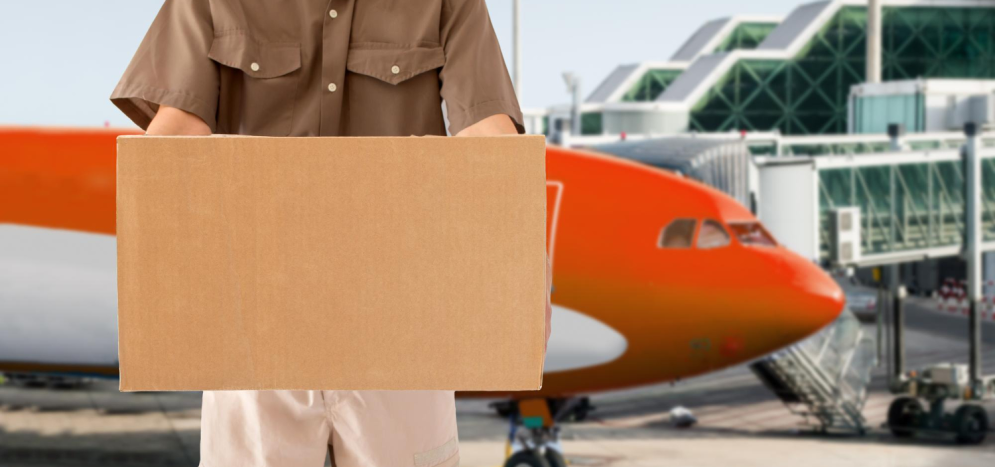
When minutes matter, hand carry logistics can be the difference between a successful delivery and a costly delay. Traditional shipping often adds handling steps, queues, and limited routing options. However, an onboard courier keeps your shipment moving fast and under constant supervision.
With this urgent courier service, a dedicated professional personally travels with your package from pickup to final delivery. At Sprinter Air, we support time-critical shipping needs with secure handling, rapid routing, and clear updates along the way.
What is hand carry logistics?
Hand carry logistics is a specialized transport service where an onboard courier escorts a shipment end to end. The package stays with the courier instead of entering standard cargo networks. Therefore, you get fewer touchpoints and more control.
This approach improves shipment security and helps prevent loss or damage. Additionally, it is ideal for urgent deliveries where deadlines are tight, and the item cannot be left unattended.
How hand carry courier services work
The process starts when you request an urgent shipment. Next, a dedicated onboard courier is assigned based on the fastest available route.
The courier typically:
- Collects the item at pickup
- Takes the next available commercial flight or approved route
- Handles required paperwork, including customs documentation when needed
- Delivers directly to the recipient and confirms handoff
Because the courier remains with the shipment, you reduce delays caused by transfers. Additionally, you gain better visibility than standard air freight.
What can be shipped through hand carry logistics?
One major benefit of hand carry logistics is flexibility. It supports many high-priority shipments that need speed, safety, and personal oversight.
1. Urgent documents and confidential paperwork
Businesses often ship legal contracts, regulatory documents, and financial records. These items require fast delivery and secure chain-of-custody. Therefore, an onboard courier is a strong fit.
2. Medical supplies, diagnostic samples, and healthcare items
Healthcare teams may ship lab samples, diagnostic materials, specialized medical devices, and time-sensitive medical supplies. Additionally, secure handling helps protect delicate or critical items.
3. Technology equipment and high-value electronics
Tech companies use onboard courier services for prototypes, electronic components, data storage devices, and replacement equipment. This supports rapid incident response and reduces downtime.
4. Manufacturing, aerospace, and automotive parts
Manufacturers ship critical spare parts to avoid production stops. Aerospace and automotive teams also move aircraft parts, tools, and maintenance documentation when every hour counts.
Why businesses choose hand carry logistics
Companies rely on hand carry logistics because it combines speed with control. Unlike standard shipping, the shipment stays under continuous supervision.
Key reasons include:
- Enhanced security: fewer handling points and reduced risk of theft or loss
- Faster transit: couriers take the quickest flight options available
- Reduced damage risk: less transfer and less warehouse time
- Better communication: frequent shipment updates and clear accountability
Industries that depend on hand carry courier services
Many sectors use hand carry logistics for time-sensitive shipping and secure transport. Additionally, these industries often face strict deadlines and high replacement costs.
- Healthcare: lab materials, pharmaceuticals, diagnostic shipments, and devices
- Technology: sensitive electronics, prototypes, and confidential hardware
- Aerospace: urgent aircraft parts, tools, and mission-critical documents
- Manufacturing: replacement parts needed to prevent downtime
- Finance and legal: confidential documents requiring direct delivery
When should you choose hand carry logistics?
Hand carry logistics is not necessary for every shipment. However, it is often the best option when delays could cause financial loss, operational disruption, or customer impact.
Choose an onboard courier when shipping:
- Confidential documents and legal paperwork
- High-value electronics or prototypes
- Medical supplies and diagnostic materials
- Critical spare parts needed to restore operations
How to choose the right logistics partner
Your provider should be able to plan the fastest route, arrange urgent international shipping, and manage customs clearance requirements. Additionally, strong communication matters because circumstances can change quickly.
At Sprinter Air, we help organizations move urgent shipments with secure, time-critical courier solutions. Contact our team to discuss your timeline, destination, and handling requirements.
Conclusion
When speed, security, and oversight are essential, hand carry logistics offers a reliable alternative to traditional freight. With a dedicated onboard courier, shipments get fewer handoffs, faster routing, and consistent supervision.
If you need urgent delivery for documents, medical items, electronics, or critical parts, Sprinter Air can help. Request a hand carry courier quote to keep your operations moving on schedule.
FAQs
1. What is hand carry logistics?
Hand carry logistics is a service where an onboard courier personally escorts a shipment from pickup to delivery. It improves speed, security, and visibility.
2. What items are best for hand carry courier services?
It works well for urgent documents, medical supplies, lab samples, prototypes, high-value electronics, aircraft parts, and other time-critical shipments.
3. How is hand carry logistics different from standard air freight?
Standard air freight uses cargo handling networks with multiple touchpoints. In hand carry logistics, the courier keeps direct custody, which reduces handling and delays.
4. Which industries use onboard courier shipping most often?
Common industries include healthcare, technology, aerospace, manufacturing, finance, and legal services. They often need secure, rapid, and accountable delivery.
5. When should a business use hand carry logistics?
Use it when deadlines are tight, the shipment is high value, or security is critical. It is also ideal when delays could stop operations or create major losses.
