
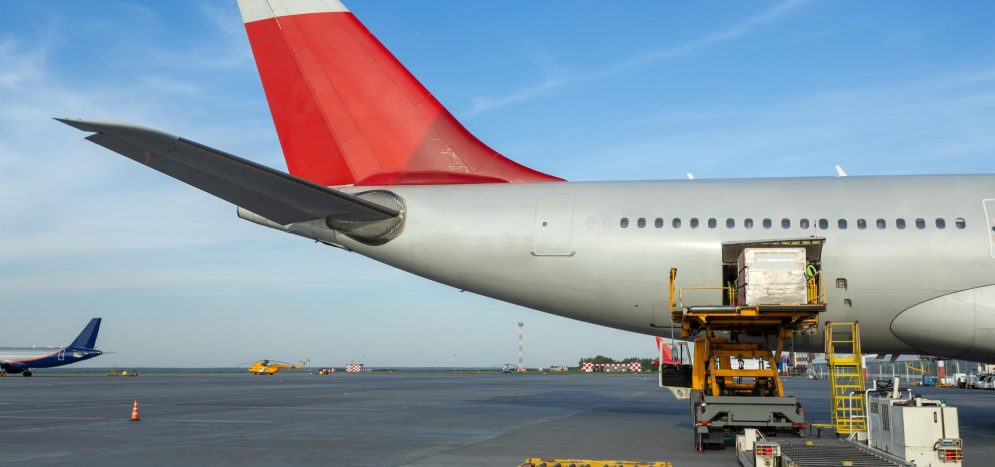
When a Canadian business needs to move goods fast across provinces or across borders, air freight is often the most practical option. It can reduce transit time from days to hours, protect critical deadlines, and help companies recover quickly when supply chains get disrupted. If you are new to air shipping or you have only used it during emergencies, this air freight shipping Canada guide will help you understand how the process works, what affects cost and timing, and how to choose the right service for your shipment.
Sprinter Air supports time-critical shipping for Canadian businesses that cannot afford delays. Depending on the situation, Air Freight may be the best option for scheduled speed, Air Charter can deliver dedicated aircraft capacity, Hand Carry can provide courier supervision for compact high-value items, and Ground Expedite can support urgent first-mile and last-mile delivery. This air freight shipping Canada guide breaks everything down in a simple, practical way so you can plan confidently.
What Air Freight Is And Why Canadian Businesses Use It
Air freight is the transportation of commercial goods by aircraft, using either scheduled airline cargo space or dedicated charter service. For Canadian businesses, air freight is often used when the shipment is urgent, high-value, time-sensitive, or needed to prevent downtime. It is also used when distance is long and ground transit would take too long, such as coast-to-coast shipments or cross-border deliveries into the United States. This air freight shipping Canada guide is designed to help you understand not only what air freight is, but how it fits into day-to-day business planning.
Canadian companies often rely on air freight for critical parts, medical and lab items, technology components, and high-demand inventory replenishment. In many industries, missing a deadline means production stops, service windows are missed, or customer contracts are impacted. An air freight shipping Canada guide is helpful because it shows you how to reduce risk, avoid surprises, and make air shipping part of a repeatable process rather than a last-minute scramble.
How Air Freight Works Step By Step
The air freight process usually follows a predictable chain: pickup, consolidation or tender at origin, security screening and acceptance, flight uplift, arrival handling, and final delivery. While the flight leg is fast, most delays happen on the ground due to cutoffs, documentation issues, and missed handoffs. That is why this air freight shipping Canada guide focuses on the full journey, not just the aircraft.
A typical shipment starts with confirming shipment details, such as weight, dimensions, commodity type, and delivery deadline. Then the shipment is booked into a suitable service level based on urgency and routing. The cargo is picked up, transported to the airport or cargo facility, processed through acceptance and screening, and loaded onto an aircraft. After landing, it moves through arrival handling and is delivered to the consignee. When your team understands these steps, the air freight shipping Canada guide becomes a planning tool that helps you prevent common problems.
Why Cutoff Times Matter So Much
Cutoff times are the deadlines for cargo acceptance before a scheduled flight. If a pickup is late or the shipment arrives at the terminal after cutoff, the cargo may roll to a later flight. That can turn a same-day move into a next-day move. This is one of the most important concepts in an air freight shipping Canada guide because most shipment failures come from missed ground timing rather than issues in the air.
To protect cutoffs, many businesses combine Air Freight with Ground Expedite, especially when pickup timing is tight or the receiving window is narrow. If you plan for cutoffs early, air freight becomes much more reliable and easier to budget.
Air Freight Service Options For Urgent Canadian Shipping
Not all air solutions are the same. Choosing the right service depends on timeline, cargo size, destination, and risk tolerance. This air freight shipping Canada guide highlights four service names you can use for internal linking: Air Freight, Air Charter, Hand Carry, and Ground Expedite. Each one solves a different urgency problem.
Air Freight is the scheduled airline option and is often the best fit when routes and capacity can meet your deadline. Air Charter provides a dedicated aircraft plan when schedules do not work or when you need capacity control. Hand Carry is a courier-escorted approach that can be ideal for compact high-value items. Ground Expedite is the rapid road option that can support airport transfers, tight pickup timing, and time-critical delivery legs. A strong air freight shipping Canada guide helps you match the solution to the real deadline instead of defaulting to one method.
Air Freight For Scheduled Speed
Air Freight is a go-to option when you need fast shipping but still want the efficiency of scheduled flight networks. It works well for many Canadian business routes, including major hubs that have frequent uplift. In this air freight shipping Canada guide, Air Freight is the baseline option because it balances speed, reliability, and cost for many urgent shipments.
Air Freight is also ideal when you can meet cutoffs and your cargo fits standard acceptance limits. If your shipment is time-sensitive but not a fixed-hour emergency, Air Freight can often deliver the best value.
Air Charter For Dedicated Capacity
Air Charter is the solution when scheduled flights cannot meet the deadline or when capacity is too constrained to rely on shared uplift. In this air freight shipping Canada guide, Air Charter is positioned as the higher-control option for extreme urgency, oversize freight, and high-consequence deadlines.
Air Charter can reduce connection points and give you more control over timing. It does not bypass compliance requirements, but it can reduce schedule uncertainty. When the cost of delay is higher than the charter premium, Air Charter can be the right decision.
Hand Carry For Compact High-Value Shipments
Hand Carry is often called onboard courier style shipping, where a courier escorts a compact shipment on a passenger flight. This air freight shipping Canada guide includes Hand Carry because it can be an excellent option when the item is small, critical, and needs added supervision.
Hand Carry is not suitable for every commodity or size, but when it fits, it can reduce handling events and reduce dwell time. For high-value prototypes, critical components, or time-sensitive documents, Hand Carry can provide a strong blend of speed and control.
Ground Expedite For Time-Critical Road Legs
Ground Expedite is the fast road option that often makes air plans work. Many missed deadlines occur because pickup was late, the airport transfer was slow, or the last-mile delivery did not match receiving hours. This air freight shipping Canada guide includes Ground Expedite because it protects the first mile and last mile, and it can also be the fastest option for shorter distances when air schedules add more time than they save.
Ground Expedite can be used alone for urgent regional moves, or it can be paired with Air Freight and Air Charter to keep the full journey on track. In practice, a strong air freight shipping Canada guide treats ground as equal to air because both legs must work together.
What Impacts Cost In Air Freight
Air freight pricing is usually based on chargeable weight, which is the higher of actual gross weight and volumetric weight. Volumetric weight reflects how much space your cargo takes up on the aircraft. That means a lightweight but bulky shipment can cost more than a smaller dense shipment, even if the scale weight is lower. This air freight shipping Canada guide emphasizes packaging discipline because right-sizing cartons and pallets can significantly reduce cost.
Cost is also influenced by lane capacity, seasonality, route complexity, and service level. Fuel and security surcharges may apply, and there can be terminal handling and documentation fees. Ground legs also affect the all-in total. When you compare quotes, use this air freight shipping Canada guide mindset: compare door-to-door timing, total cost, and risk of delay rather than comparing only the per-kilogram number.
Documents And Compliance For Canadian Exporters
Air freight is fast, but it still requires correct documentation. For Canadian businesses exporting commercial goods, you must understand export reporting obligations and ensure that shipment details are accurate. The Canada Border Services Agency provides an Exporters’ guide to reporting, which outlines exporter responsibilities for reporting exports under Canadian laws.
In addition to export reporting, certain goods may be restricted or regulated, including dangerous goods. Transport Canada provides guidance on the transportation of dangerous goods in Canada, including how dangerous goods are regulated and handled across modes like air and road. This matters because incorrect declarations or missing documentation can lead to terminal holds that erase the speed advantage of air freight. A practical air freight shipping Canada guide always treats documentation as a timeline protection tool.
Security Screening And Secure Cargo Handling
Air cargo moves through security screening and secure supply chain processes. Transport Canada’s Air Cargo Security Program describes how the program helps keep cargo secure through the shipping process and outlines participation expectations for businesses involved in screening, storing, or transporting secure air cargo.
For Canadian businesses, understanding security expectations helps reduce delays at acceptance and prevents last-minute screening surprises. This is a key point in any air freight shipping Canada guide because security holds can cause missed cutoffs and rolled uplift.
Air Freight Readiness Checklist For Canadian Businesses
A checklist helps your team run air shipping consistently, especially when timelines are tight. This air freight shipping Canada guide list is designed to reduce mistakes that cause rework, holds, and re-rating.
- Confirm the real delivery deadline and receiving hours.
- Measure exact dimensions and weight, including pallet height and overhang.
- Use a clear commodity description, not vague labels like parts or supplies.
- Confirm whether the shipment contains batteries, liquids, aerosols, or chemicals.
- Prepare export documents early and confirm who is responsible for reporting.
- Plan pickup timing backward from airport cutoff times.
- Choose the right service method: Air Freight, Air Charter, Hand Carry, or Ground Expedite.
- Package to reduce damage risk and reduce volumetric weight surprises.
- Set update expectations and tracking milestones with your logistics partner.
- Build a backup plan for critical shipments if uplift changes.
Why Choose Sprinter Air
Canadian businesses use air shipping because deadlines do not wait, and supply chains do not always behave. Sprinter Air helps companies use this air freight shipping Canada guide approach by matching the shipment to the right service and managing the full journey with clear communication. Air Freight provides fast scheduled options when capacity and routes align. Air Charter provides dedicated capacity when the deadline is fixed and schedules do not work. Hand Carry provides courier-supervised control for compact high-value shipments. Ground Expedite protects urgent road legs and can be the best option for shorter distances when air schedules do not help.
Sprinter Air also supports better planning around compliance and security expectations that shape air shipping success. Understanding export reporting obligations and secure cargo handling reduces last-minute holds and protects deadlines. When your goal is speed with reliability, the best partner is the one that helps you avoid avoidable delays and keeps the process straightforward.
Air Freight Shipping Canada Guide
Air freight is one of the most powerful tools Canadian businesses can use to protect deadlines, reduce downtime, and keep customers satisfied. When you understand how air freight works end to end, and when you plan around cutoffs, documentation, and security expectations, air shipping becomes predictable rather than stressful. This air freight shipping Canada guide shows the key steps and service options so you can choose correctly based on urgency and risk.
If your business needs a fast, reliable plan for urgent shipments, Sprinter Air can help. Share your origin, destination, cargo dimensions, and required delivery time, and our team will recommend the best option using Air Freight, Air Charter, Hand Carry, and Ground Expedite so you can move with confidence.
Frequently Asked Questions
- What is included in an air freight shipping Canada guide for beginners?
An air freight shipping Canada guide explains booking, pickup, cutoff timing, security screening, flight uplift, arrival handling, and delivery, plus what documents Canadian exporters need. - How fast can air freight shipping Canada guide timelines be for urgent shipments?
Air freight shipping Canada guide timelines can be same-day or next-day depending on flight schedules, cutoffs, and destination, especially when ground legs are coordinated tightly. - Is Air Freight or Air Charter better in an air freight shipping Canada guide decision?
In an air freight shipping Canada guide decision, Air Freight is best when scheduled options meet the deadline, while Air Charter is best when you need dedicated capacity and tighter time control. - When does Hand Carry make sense in an air freight shipping Canada guide plan?
Hand Carry makes sense in an air freight shipping Canada guide plan when the shipment is compact, high-value, time-critical, and suitable for courier-escorted travel. - How do Canadian export rules affect an air freight shipping Canada guide process?
Canadian export rules affect an air freight shipping Canada guide process because exporters have reporting obligations and documentation requirements that must be met to avoid delays. - Why does security matter in an air freight shipping Canada guide shipment?
Security matters in an air freight shipping Canada guide shipment because cargo must follow secure handling and screening expectations to prevent holds and protect uplift timing. - How can I reduce cost using an air freight shipping Canada guide approach?
To reduce cost using an air freight shipping Canada guide approach, measure accurately, reduce bulky packaging, plan around cutoffs, and choose the right service level so you do not overpay for speed you do not need.
