
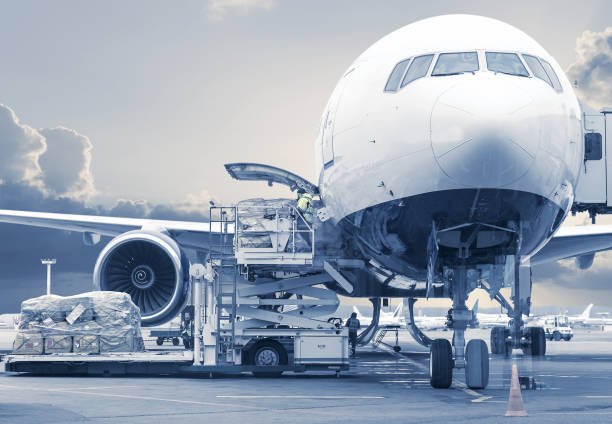
Canadian exporters operate in an increasingly competitive global trade environment where delivery speed, regulatory accuracy, and logistics efficiency directly influence business performance. Selecting the right transportation method is a strategic decision that impacts costs, customer expectations, and supply chain resilience. Among the available shipping options, international air freight shipping has emerged as a preferred solution for exporters that require dependable global connectivity and time sensitive delivery capabilities.
With expanding international demand and tighter delivery windows, exporters across manufacturing, distribution, and wholesale sectors are turning to air freight as a reliable logistics channel. Its structured processes, advanced security measures, and global reach make it an essential component of modern export operations.
Understanding International Air Freight Shipping
International air freight shipping refers to the movement of commercial cargo by aircraft across international borders. This method supports exporters who need consistent transit schedules and access to global markets with minimal delays.
Definition and scope of international air freight shipping
International air freight shipping involves transporting goods using dedicated cargo aircraft or the cargo capacity of passenger flights. It covers a broad scope of shipment types, including consolidated cargo, express shipments, and specialized freight requiring controlled handling. Exporters benefit from standardized documentation, predictable routing, and the ability to ship to distant markets efficiently.
Many Canadian exporters rely on international air freight shipping to maintain continuity in global trade while managing tight production and delivery timelines.
Role of air freight logistics in global trade
Air freight logistics plays a vital role in sustaining international supply chains. It allows exporters to reduce lead times, minimize storage requirements, and respond quickly to changes in global demand. Air freight also supports trade with regions where alternative transport methods may be slower or less accessible.
Through structured logistics planning, air freight helps exporters align transportation with inventory management and order fulfillment strategies, ensuring smooth cross border operations.
Difference between air freight and other international freight methods
Compared to ocean and land transportation, air freight offers significantly faster transit times. Sea freight is generally suited for bulk cargo with flexible delivery schedules, while land freight is limited by geographic reach. Air freight provides direct access to international destinations, reducing transit complexity and exposure to delays.
Although air freight typically involves higher transportation costs, exporters often offset these costs through faster market access, reduced inventory holding, and improved delivery reliability.
Benefit 1: Speed and Reliability for Global Delivery
Speed and consistency are core advantages of air freight shipping. For exporters managing international commitments, reliable delivery timelines are essential for maintaining business credibility.
Faster transit compared to sea and land shipping
Air freight significantly shortens transit durations by eliminating long maritime routes and border delays associated with land transport. This enables exporters to move goods efficiently between continents, supporting quicker order cycles and improved supply chain responsiveness.
Shorter transit times also reduce the need for excess inventory, helping exporters optimize storage costs and production planning.
Meeting tight delivery deadlines for exporters
International buyers often require strict delivery schedules. Air freight shipping offers frequent flight departures and predictable arrival times, allowing exporters to meet contractual obligations with greater accuracy. This reliability supports long term trade relationships and enhances operational planning.
Benefit 2: Enhanced Security and Cargo Handling
Security is a critical consideration in international shipping, especially for high value and sensitive cargo. Air freight operations are designed to prioritize cargo protection at every stage.
Safe transportation of high value and sensitive goods
Airports and cargo terminals follow rigorous security protocols, including controlled access zones, screening procedures, and monitored handling areas. These measures help ensure that cargo remains secure throughout transit. When exporters work with an experienced international logistics company, shipments are managed through structured security procedures that align with international aviation and trade standards.
Exporters benefit from reduced exposure to theft, tampering, or unauthorized access, which is particularly important for shipments requiring careful handling.
Reduced risk of damage or loss during transit
Air freight shipments typically involve fewer handling points compared to other transport methods. Shorter transit times and streamlined logistics processes reduce the likelihood of damage caused by repeated transfers or prolonged exposure to environmental factors.
This controlled movement helps maintain shipment integrity and supports consistent delivery quality.
Benefit 3: Simplified Customs Documentation
Customs compliance is one of the most complex aspects of international exporting. Air freight shipping supports exporters by streamlining documentation and regulatory processes.
Efficient handling of international customs requirements
Air freight logistics providers are experienced in managing customs paperwork, including export declarations, airway bills, and supporting trade documents. Their structured workflows help ensure accuracy and timely submission, reducing clearance delays at international borders.
Working with a knowledgeable international logistics company allows exporters to navigate customs procedures more efficiently while maintaining compliance with destination country regulations.
Compliance with Canadian export regulations
Canadian exporters must adhere to specific regulatory standards when shipping internationally. Air freight shipping processes are designed to align with these requirements, supporting accurate reporting and export control compliance.
This reduces the risk of shipment holds, penalties, or regulatory disruptions that can impact supply chain continuity.
Benefit 4: Access to Global Markets via Cargo Airlines Canada
Global market access is a key driver of export growth. Cargo airlines operating in Canada provide extensive international connectivity that supports business expansion.
Extensive network of international destinations
Cargo airlines Canada connect exporters to major global trade hubs and emerging markets. This broad network allows businesses to reach international customers without relying on complex routing structures.
Direct and indirect flight options offer flexibility while maintaining efficient transit schedules across regions.
Flexibility for diverse shipment sizes and schedules
Air freight shipping supports a wide range of shipment volumes, from small consignments to larger consolidated loads. Exporters can adjust shipment frequency and size based on demand without committing to long term capacity contracts.
Professional air freight services help exporters coordinate schedules, manage capacity, and maintain consistent delivery performance across international routes.
Benefit 5: Scalability and Flexibility for Exporters
As export operations evolve, logistics strategies must adapt to changing volumes and market conditions. Air freight shipping provides the scalability required for long term growth.
Handling variable shipment volumes
Air freight allows exporters to respond quickly to fluctuations in demand. Whether shipping smaller quantities or scaling up for increased international orders, air freight logistics can accommodate variable volumes efficiently.
This flexibility supports exporters entering new markets or adjusting supply levels without operational disruption.
Integration with global delivery solutions for business growth
Air freight integrates seamlessly with broader global delivery solutions, including tracking systems, distribution networks, and inventory management platforms. This integration enhances visibility and control across the supply chain, supporting data driven decision making.
Exporters seeking tailored logistics support and reliable international shipping options are encouraged to Contact us to explore customized air freight solutions.
Conclusion
International air freight shipping offers Canadian exporters a reliable, secure, and efficient pathway to global markets. Its advantages include rapid transit times, enhanced cargo security, streamlined customs processes, and access to extensive international networks. With scalable options and seamless integration into modern supply chains, air freight supports exporters at every stage of growth. By adopting air freight as a core logistics strategy, Canadian businesses can strengthen operational efficiency, meet international demand, and maintain a competitive presence in global trade.
Frequently Asked Questions
- Why do Canadian exporters choose international air freight shipping?
Exporters choose air freight for its speed, reliability, global reach, and ability to support time sensitive international deliveries. - Is air freight suitable for small and medium exporters?
Yes, air freight is highly flexible and can accommodate varying shipment sizes, making it accessible for exporters of all scales. - How does air freight reduce supply chain delays?
Air freight offers predictable schedules and faster transit times, minimizing delays associated with longer transportation methods. - What role does documentation play in air freight shipping?
Accurate documentation ensures smooth customs clearance and regulatory compliance, which air freight logistics providers help manage efficiently. - Can air freight support long term export growth?
Yes, its scalability, global connectivity, and integration with delivery solutions make air freight a strong foundation for sustained export expansion.
