
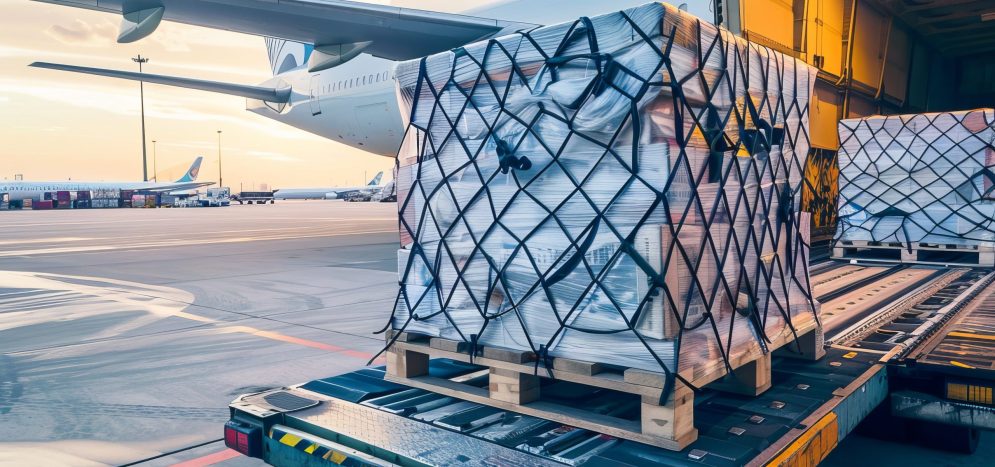
Choosing a Shipping and Logistics Company in Canada can make or break delivery speed, customer satisfaction, and supply chain stability. Canadian businesses ship across provinces, manage warehousing, and move Canada–US freight every day. Therefore, a reliable logistics partner is a practical advantage, not an extra.
Canada’s transportation network supports manufacturers, retailers, distributors, and e-commerce brands. From freight shipping and inventory storage to customs paperwork, the right provider helps you stay on schedule and reduce risk.
This guide explains what logistics companies do, what drives shipping costs, and how to choose a long-term partner. You will also learn how Sprinter Air can simplify freight operations across Canada and beyond.
What a Shipping and Logistics Company in Canada does
A shipping and logistics provider manages how goods move from origin to destination. It coordinates transportation, storage, tracking, and compliance. As a result, businesses reduce delays and improve delivery consistency.
Core responsibilities you can expect
- Freight transportation management: Plans shipments by truck, air, rail, or ocean based on timeline and budget.
- Warehousing and distribution: Supports storage, pick/pack, order fulfillment, and regional distribution.
- Supply chain coordination: Improves scheduling, inventory flow, and communication across stakeholders.
- Visibility and tracking: Provides updates that help teams react quickly to exceptions.
Additionally, strong providers help you standardize processes, which makes scaling easier over time.
Types of logistics services available in Canada
Logistics services in Canada vary by industry, shipment size, and delivery deadline. However, most companies rely on a few core options for domestic shipping and cross-border moves.
1) Freight trucking (FTL and LTL)
Trucking remains a top choice for domestic and Canada–US shipping. Full truckload (FTL) works best for larger shipments that need dedicated capacity. Less-than-truckload (LTL) helps reduce costs by sharing trailer space with other freight.
2) Freight forwarding and customs support
Freight forwarding in Canada helps manage international shipping and documentation. A freight forwarder coordinates carriers, paperwork, and customs clearance. Consequently, you reduce compliance risk and border delays.
3) Last-mile delivery
Last-mile delivery is essential for retail and e-commerce fulfillment. Reliable local delivery reduces failed drop-offs and improves the customer experience.
4) Cross-border shipping (Canada–US)
Canada–US freight often requires customs documents, brokerage support, and regulatory guidance. Therefore, an experienced provider helps you avoid disruptions at the border.
How international logistics companies support Canadian businesses
Global trade continues to grow, so international logistics matters more each year. With the right partner, you can ship across borders with less complexity and fewer delays.
1. Multimodal transportation planning
International logistics companies combine air, ocean, rail, and trucking to balance speed and cost. They also manage handoffs between carriers to prevent bottlenecks.
2. Customs clearance and documentation
Import and export rules change often. Logistics specialists help manage commercial invoices, HS codes, and customs requirements. As a result, you reduce penalties and unexpected holds.
3. Shipment tracking and supply chain visibility
Modern supply chains need fast updates. Visibility tools help you respond to weather disruptions, congestion, and capacity changes with fewer surprises.
Industries that rely on logistics companies in Canada
Reliable shipping performance affects revenue, reputation, and customer retention. In most cases, the industries below depend on consistent freight capacity and dependable transportation.
- Retail and eCommerce: inventory flow, order fulfillment, and fast delivery
- Manufacturing: inbound materials, equipment shipping, and outbound distribution
- Food and perishables: temperature-controlled freight and compliance
- Healthcare: dependable delivery for critical supplies
- Automotive, construction, and technology: steady inventory movement and project timelines
Understanding shipping and logistics costs in Canada
Shipping costs depend on operational requirements and service level. However, pricing usually comes down to predictable factors that you can plan for.
Main cost drivers to know
- Distance and route: Longer lanes increase fuel, labor, and transit time.
- Weight and dimensions: Heavy or oversized freight may need special handling.
- Fuel costs: Fuel surcharges change with market conditions.
- Service level: Expedited shipping costs more due to priority capacity.
- Border and international fees: Duties, taxes, brokerage, and documentation charges.
- Warehousing needs: Storage, handling, and fulfillment requirements.
When you understand these drivers, you can budget with fewer surprises. Additionally, a transparent provider explains quotes clearly before you ship.
How to choose the right Shipping and Logistics Company in Canada
The right partner protects delivery performance and customer trust. To choose wisely, compare providers using clear criteria that match your products, lanes, and growth plans.
1) Look for relevant industry experience
Choose a company that understands your product risks, packaging needs, and compliance rules. Experience often means fewer errors and faster issue resolution.
2) Confirm network coverage and capacity
Verify the provider supports your current routes and future expansion. This includes regional lanes, national coverage, and international shipping if you need it.
3) Evaluate technology and tracking
Real-time tracking and clear communication matter. Therefore, ask about shipment visibility, reporting, and exception management when delays occur.
4) Prioritize reliability and customer support
Delays can happen, but poor updates should not. A dependable team communicates early and offers solutions quickly.
Quick checklist before you sign
- Clear SLAs and pickup/delivery expectations
- Transparent pricing and surcharge rules
- Proven cross-border experience (if required)
- Support for warehousing and distribution (if needed)
Why supply chain solutions matter for modern Canadian businesses
Strong supply chain solutions improve profitability and the customer experience. They also help teams respond faster to demand changes.
Efficient logistics reduces late deliveries and order errors. It also strengthens inventory planning through better warehousing and distribution. As volume grows, scalable freight options support expansion without losing control.
What happens without reliable logistics support
Without dependable logistics, small issues can compound quickly. Late shipments damage customer relationships and reduce repeat purchases. Additionally, inconsistent carriers and inefficient routes can increase operating costs.
Inventory problems also grow when transportation and warehousing are not aligned. Therefore, a strong logistics partner becomes a practical risk-reduction strategy.
Technology trends changing logistics in Canada
Technology continues to raise expectations across the Canadian logistics industry. Real-time shipment tracking is now standard for many businesses and customers.
AI and automation also improve routing, forecasting, and warehouse efficiency. Additionally, sustainability is growing in importance through optimized routes and fuel-efficient fleets that reduce emissions.
Why long-term logistics partnerships matter
Long-term partnerships create consistent service and better planning. Over time, your provider learns your lanes, workflows, and standards. As a result, communication improves and problems get solved faster.
Long-term relationships can also support cost control through smarter routing and capacity planning. Therefore, businesses gain stability during peak seasons and market changes.
Conclusion: Choose a shipping and logistics company built for reliability
Reliable transportation and supply chain management support growth across Canada. From domestic freight to international coordination, logistics providers help businesses deliver on time and operate smoothly.
Choosing the right Shipping and Logistics Company in Canada improves efficiency, reduces delays, and supports long-term expansion. Sprinter Air helps Canadian businesses manage freight transportation, warehousing, and supply chain operations with dependable, transparent solutions.
Contact Sprinter Air today to discuss your shipping needs and get a logistics plan that fits your routes, timelines, and budget.
FAQs:
1. What does a shipping and logistics company do?
A shipping and logistics company manages freight transportation, warehousing, inventory coordination, tracking, and supply chain operations for businesses.
2. How do logistics trucking companies support businesses?
Logistics trucking companies move goods across local, regional, and national routes while supporting predictable delivery schedules.
3. What is freight forwarding in Canada?
Freight forwarding in Canada coordinates international shipments, customs clearance, documentation, and transportation management.
4. How can businesses reduce shipping and logistics costs?
Businesses can reduce costs with better route planning, shipment consolidation, improved inventory management, and a provider with strong carrier networks.
5. Why is choosing the right logistics partner important?
A reliable logistics partner improves delivery performance, supply chain efficiency, customer satisfaction, and operational stability.
