
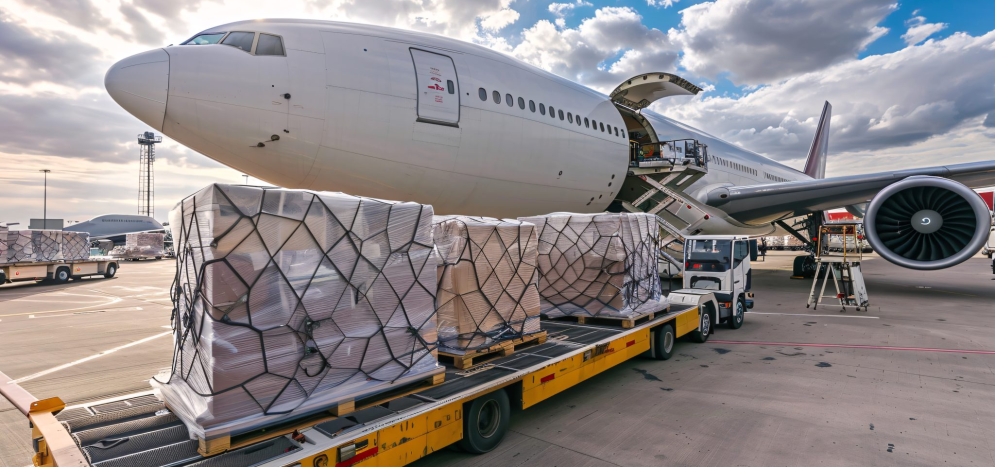
In transit meaning is one of the most common tracking updates in international shipping, and it can also be one of the most confusing. You may see “In Transit” for days and wonder if your shipment is moving, stuck, or delayed. However, this status often reflects normal progress through the logistics network.
When you understand what “in transit” means, you can track your package with less stress. Additionally, you can set accurate delivery expectations for customers or internal teams. At Sprinter Air, we believe clear tracking improves shipping confidence.
In transit meaning in international shipping
In transit meaning refers to a shipment that the carrier has accepted and is progressing toward the final destination. It does not mean the parcel is physically moving every minute. Instead, it confirms the freight is within the carrier network and advancing through required steps.
During international shipping, cargo may move through several locations. Therefore, the tracking status can remain “In Transit” while the package goes between hubs and checkpoints.
Where your shipment may go while in transit
- Local pickup point and origin facility
- Sorting center or export warehouse
- Airport or air cargo terminal
- Customs checkpoint (export and/or import)
- Regional distribution hub
- Destination facility and last-mile delivery depot
What happens while a shipment is in transit?
Understanding in transit meaning becomes easier when you know what happens behind the scenes. First, the shipment is collected and transported to a processing facility. Then, documents are reviewed, and cargo is prepared for the next leg.
For international shipments, the freight may be loaded onto an aircraft, transferred at connecting airports, and routed through distribution centers. Additionally, it may pause briefly while awaiting the next scheduled departure.
Why tracking updates may not appear frequently
Tracking systems do not always scan the package at every handoff. Sometimes updates appear only when the shipment arrives at or departs from a major facility. However, the freight can still be moving through the supply chain.
Why a shipment can stay in transit for several days
Many people assume a shipment is stuck when the status does not change. However, in transit meaning includes transfer and processing time, not just travel time. International routes often involve multiple carriers, hubs, and schedules.
Several factors can extend the in-transit period without indicating a problem. For example, airport handling queues, limited flight capacity, and peak-season volume can slow movement.
Common reasons for longer transit windows
- Customs processing and inspections
- Connecting flight schedules and cut-off times
- Weather disruptions
- High shipping volumes during holidays
- Transfers between logistics providers
Common tracking statuses you may see with “In Transit”
Shipment tracking typically shows several milestones. Before the in transit meaning stage, you may see updates like “Label Created,” “Shipment Received,” or “Picked Up.” These confirm the shipping process has started.
While in transit, you might also see:
- Arrived at facility (reached a hub or sorting center)
- Departed facility (left a hub for the next leg)
- Customs clearance (being reviewed by customs authorities)
- Transferred to carrier (handed to another provider)
Once the shipment reaches the destination area, the status often changes to “Out for Delivery,” followed by “Delivered.”
Does “In Transit” mean the shipment is delayed?
In transit meaning does not automatically signal a delay. In most cases, it means the shipment is moving as planned through the transportation network. However, delays can occur when unexpected issues disrupt the schedule.
For example, documentation problems, operational disruptions, or extended customs checks can slow delivery. If the shipment stays “In Transit” beyond the estimated delivery window with no new scans, it is smart to contact the carrier for clarification.
Factors that affect international transit times
International transit time depends on several variables. Distance matters, but so do routing decisions and compliance steps. Additionally, the service level you choose can change delivery speed significantly.
Key variables that influence delivery estimates
- Shipping distance and number of connections
- Customs requirements in the destination country
- Service type (express air freight vs. economy)
- Seasonal demand and carrier capacity
Knowing these factors helps you interpret in transit meaning more accurately during international shipping.
How businesses can track shipments more effectively
Businesses benefit from proactive shipment monitoring. Instead of waiting for the delivery date, review tracking updates regularly. This helps you spot exceptions early and communicate realistic timelines.
Practical tips for better shipment visibility
- Check tracking at consistent times each day.
- Keep invoices and shipping documents complete and accessible.
- Confirm recipient details to avoid last-mile issues.
- Work with a logistics partner that provides clear updates.
At Sprinter Air, we help companies improve routing, documentation accuracy, and communication. Therefore, customers experience fewer surprises and better planning.
Why accurate shipment tracking matters
Accurate tracking supports more than peace of mind. It helps inventory planning, warehouse scheduling, and customer support. Additionally, it reduces unnecessary concern when shipments are progressing normally.
When you understand in transit meaning, you can read updates with context. Instead of assuming a delay, you can recognize routine processing and expected transfers across the global logistics network.
Conclusion: Understand “In Transit” and ship with confidence
In transit meaning indicates your shipment is within the carrier network and moving through the international shipping process, even if scans are not continuous. Transfers, customs procedures, and distribution hubs all play a role in the timeline.
Need help with international shipping and tracking clarity? Contact Sprinter Air to plan your next shipment with dependable logistics support and transparent communication.
FAQs
1. What does in transit meaning indicate in shipment tracking?
In transit meaning indicates the carrier has accepted the shipment and it is progressing through the shipping network toward its final destination. It may pass through hubs, airports, and customs checkpoints.
2. Does in transit mean my package is out for delivery?
No. “Out for Delivery” typically appears after the shipment reaches the local delivery depot. In transit meaning indicates the shipment is still moving through the broader network.
3. Why has my shipment been in transit for several days?
It may be waiting for a connection, processing at a hub, or undergoing customs clearance. Weather, flight schedules, and high volume can also extend transit time without indicating a serious issue.
4. Can a shipment be delayed while showing an in transit status?
Yes. While in transit meaning usually reflects normal movement, customs delays, documentation issues, or transportation disruptions can extend delivery times even if the status remains unchanged.
5. What should I do if my shipment has been in transit longer than expected?
If the shipment has passed the estimated delivery window and there are no new updates, contact the carrier or your logistics provider to confirm its latest scan and current location.
