
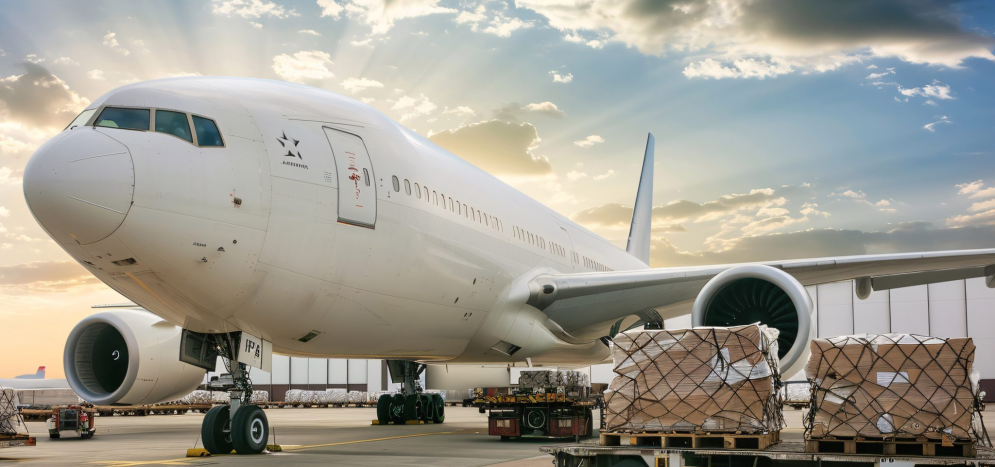
For businesses operating across international markets, getting products and essential goods to their destination on time can have a major impact on operations and customer relationships. Choosing the right transportation method is therefore an important part of supply chain planning. Air freight cargo provides businesses with a fast and efficient way to move shipments across long distances, making it particularly useful when delivery speed is a priority.
From urgent replacement components to time-sensitive products, air transportation can help companies respond quickly to changing supply chain requirements. With access to international airports, regular flight schedules, and professional handling services, air freight can provide the speed and connectivity needed to keep global operations moving.
What Is Air Freight?
Air freight is the transportation of commercial cargo by aircraft between different locations. Shipments are typically moved through airports and coordinated with ground transportation, customs processes, and other logistics services to complete the journey.
Unlike transportation methods that can require lengthy overland or ocean routes, air transportation can cover international distances in significantly less time. This makes it an important option for companies that cannot afford extended transit periods.
Air freight can accommodate a wide range of shipments, from small packages and business samples to urgent commercial cargo and critical components.
Why Is Air Freight the Fastest Option for International Shipments?
The primary advantage of air transportation is its ability to cover long distances quickly. Aircraft travel at high speeds and can connect major international markets without requiring cargo to spend extended periods travelling by road or sea.
International airports also provide connections between major business centres around the world. This extensive network allows companies to move shipments between countries while reducing the amount of time cargo spends in transit.
For businesses dealing with strict deadlines, this speed can make air transportation particularly valuable. Faster transit can help companies respond to customer orders, replenish stock, and move essential components when standard transportation timelines are too long.
Faster International Transit Times
Air transportation can significantly shorten international transit times compared with many other freight methods. A shipment travelling between distant countries can reach its destination much sooner when transported by aircraft.
This can be especially important for businesses managing urgent orders, replacement parts, seasonal products, or inventory that needs to reach a market quickly.
Reducing transit time can also improve a company’s ability to respond to unexpected changes. When demand increases suddenly or a supplier experiences a disruption, faster transportation can help businesses react more effectively.
Extensive Global Connectivity
Air freight benefits from an extensive network of international airports and airline routes. Major commercial centres are connected through established air transportation networks, allowing cargo to move between key markets efficiently.
This global connectivity is particularly useful for businesses with suppliers, manufacturing facilities, warehouses, and customers located in different countries.
Rather than relying solely on a single transportation corridor, companies can use international air routes to connect different parts of their supply chain and maintain better responsiveness.
Frequent Flight Schedules
Regular flight schedules can provide businesses with more opportunities to move urgent cargo. Depending on the route and service selected, shipments may have access to multiple departure options.
This can be particularly useful when a business has a tight delivery requirement. Instead of waiting for a less frequent transportation service, an appropriate air shipment may be arranged around available flight schedules.
However, actual transit times depend on the origin, destination, flight availability, customs requirements, and other logistics factors.
Air Shipment vs Other International Shipping Methods
Different transportation methods serve different supply chain requirements. Ocean freight, road transportation, rail, and air freight can all play important roles in international logistics.
Air transportation is generally selected when speed and responsiveness are more important than simply moving large volumes over the lowest possible transportation cost.
The most suitable option depends on factors such as shipment urgency, cargo characteristics, destination, delivery requirements, and available infrastructure.
Air Freight vs Ocean Freight
Ocean transportation is widely used for international cargo and can be suitable for businesses moving larger shipments when delivery schedules allow for longer transit periods.
Air transportation provides a major advantage when time is critical. Aircraft can cover international distances much faster than ships, allowing businesses to receive cargo sooner.
This makes air freight particularly useful when a company needs to minimise transit time or respond quickly to changing market requirements.
Air Freight vs Ground Transportation
Ground transportation can be highly effective for regional and cross-border movements, particularly when destinations are connected by established road networks.
For long-distance international shipments, however, relying solely on ground transportation may result in considerably longer transit periods.
Air shipping can bridge large geographical distances quickly, with ground transportation then used for collection and final delivery where required.
Key Benefits of International Air Freight Shipping
Speed is the most obvious advantage, but international air freight shipping can provide several other benefits for global businesses.
Shorter transit times can improve supply chain responsiveness, while established airport networks can provide access to important international markets. Professional air freight services can also coordinate different stages of the shipment, helping businesses manage complex international movements.
Ideal for Time-Sensitive Cargo
Some goods lose value or usefulness when delivery is delayed. Others are directly connected to production schedules or customer deadlines.
Air transportation can be useful for urgent replacement components, critical inventory, business samples, seasonal products, and other shipments where timing matters.
By reducing the time cargo spends in transit, businesses can respond more quickly when standard shipping schedules do not meet their requirements.
Supports Global Supply Chains
Modern supply chains often involve suppliers, manufacturers, distributors, and customers spread across multiple countries.
Air transportation can help connect these different stages by providing a fast method for moving goods between international locations. This can be especially useful when businesses need to coordinate supply with changing demand.
For global companies, maintaining responsive transportation options can make it easier to manage international operations and react to unexpected supply chain changes.
Reduced Inventory Transit Time
The longer goods remain in transit, the longer a business must wait before they become available for production, distribution, or sale.
Faster transportation can reduce the time products and components spend travelling between locations. This can help businesses respond more quickly to inventory requirements and maintain greater flexibility when managing supply.
Air freight does not eliminate the need for inventory planning, but shorter transit times can provide another useful option when replenishment needs are urgent.
Greater Scheduling Flexibility
Air transportation can offer businesses flexibility through established routes and flight schedules. This can make it easier to coordinate shipments around specific operational requirements.
When a business needs cargo to move within a particular timeframe, having access to suitable air transportation options can help logistics teams plan more effectively.
What Types of Cargo Are Best Suited to Air Freight?
Air freight can be appropriate for many different types of commercial cargo, particularly when delivery speed is important.
High-value products, urgent replacement parts, time-sensitive goods, business samples, critical components, and certain perishable products can all benefit from faster transportation when the cargo is suitable for air shipment.
The decision should always take into account the shipment’s size, weight, handling requirements, destination, regulatory considerations, and delivery deadline.
For some businesses, air transportation is also useful for smaller shipments that need to reach international customers quickly without waiting for a larger consolidated shipment.
How Air Freight Services Handle Time-Sensitive Shipments
Professional air freight services involve more than placing cargo on an aircraft. International shipments require coordination across several stages of the logistics process.
Depending on the service, this can include arranging collection, preparing shipment documentation, coordinating airport handling, arranging air transportation, supporting customs procedures, and organising final delivery.
Clear communication is particularly important when handling time-sensitive cargo. Accurate information about the shipment, required delivery timeframe, origin, destination, and handling requirements can help logistics providers determine the appropriate transportation solution.
The Role of Air Freight in International Supply Chain Management
Air freight can play an important role in helping businesses maintain responsive international supply chains.
Unexpected demand, supplier disruptions, production requirements, and urgent customer orders can all create situations where standard transportation is not sufficient. Having air transportation available gives businesses another option when speed becomes a priority.
It can also support businesses that operate across multiple international markets. Faster transportation can help connect different supply chain stages and provide greater flexibility when responding to changes in demand.
For companies with global operations, air freight should therefore be viewed as part of a broader transportation strategy rather than simply an emergency solution.
Factors That Can Affect Air Freight Transit Time
Although air transportation is generally one of the fastest methods for international cargo, several factors can influence the actual delivery timeframe.
Flight availability is one consideration. The origin and destination can also affect how quickly cargo can move, particularly when direct flights are unavailable.
Customs clearance and shipment documentation can have an impact as well. Incomplete or inaccurate documentation may result in delays even when the flight itself operates as scheduled.
Weather conditions, airport congestion, cargo handling, security procedures, and final-mile transportation can also influence the overall delivery time.
For this reason, businesses should consider the complete transportation journey rather than focusing only on flight time.
How to Choose the Right Air Freight Service
Selecting an appropriate air freight service requires more than choosing the fastest available option.
Businesses should consider whether the provider has suitable destination coverage and experience handling the type of cargo being shipped. Shipment tracking, communication, customs support, handling capabilities, and service reliability are also important considerations.
It is equally important to communicate delivery requirements clearly. A logistics provider needs accurate information to determine which transportation option best fits the shipment.
For global businesses, working with an experienced provider such as Sprinter Air can help simplify the coordination of international air shipments and time-sensitive cargo requirements.
Why Businesses Choose Air Shipping for International Cargo
Air shipping provides businesses with a combination of speed, international connectivity, and supply chain responsiveness.
When cargo needs to travel across long distances quickly, air transportation can significantly reduce transit time compared with slower transportation methods. This can help businesses respond to urgent customer requirements, replenish inventory, support production, and manage unexpected supply chain disruptions.
The value of air freight ultimately depends on the specific needs of the shipment. For businesses where timing is critical, the speed and flexibility of Sprinter Air and similar experienced providers can make air transportation an important part of an effective international logistics strategy.
Conclusion
Air freight is often considered the fastest option for international shipments because aircraft can cover long distances quickly while connecting major business markets around the world.
For global businesses, the benefits extend beyond speed. Air transportation can support time-sensitive cargo, improve supply chain responsiveness, reduce inventory transit time, and provide greater flexibility when urgent transportation is required.
The right solution depends on the cargo, destination, delivery requirements, and overall supply chain strategy. By choosing suitable air freight services and planning international shipments carefully, businesses can use air transportation to maintain faster and more responsive global operations. Ready to move your next shipment? Contact us to discuss your air freight requirements.
Frequently Asked Questions
1. What is air freight cargo?
Air freight cargo refers to commercial goods and shipments transported by aircraft. It can include products, components, samples, urgent shipments, and other cargo suitable for air transportation.
2. Why is air freight faster than ocean freight?
Aircraft travel at significantly higher speeds than ocean vessels and can cover long international distances much more quickly. Established airport networks and regular flight schedules can also help reduce overall transit times.
3. What is international air freight shipping?
International air freight shipping involves transporting cargo by aircraft between countries. The process can include collection, documentation, airport handling, customs clearance, air transportation, and final delivery.
4. What types of goods are suitable for air freight?
Air freight can be suitable for time-sensitive products, urgent replacement parts, high-value goods, business samples, critical components, and certain perishable products. Suitability depends on the cargo’s characteristics and applicable transportation requirements.
5. What can delay an air shipment?
Factors such as customs clearance, incomplete documentation, flight disruptions, airport congestion, weather, cargo handling, security procedures, and final-mile transportation can affect an air shipment’s delivery timeframe.
