
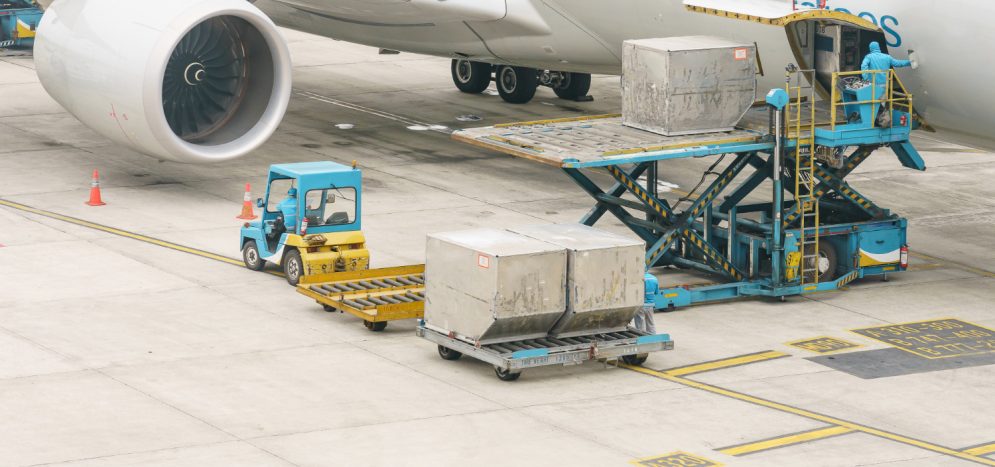
In today’s competitive global marketplace, businesses must move products quickly and efficiently to meet customer expectations and maintain smooth supply chain operations. Whether importing goods from international suppliers, exporting products to overseas markets, or transporting urgent cargo across provinces, reliable transportation plays a critical role in business success. For many organizations, air freight shipping provides the speed, flexibility, and reliability needed to keep operations running without interruption.
Canada’s position as a major trading nation makes air transportation an essential part of modern logistics. Businesses across industries rely on air freight services to transport high-value products, time-sensitive inventory, medical supplies, manufacturing components, and critical replacement parts. When delays can result in lost revenue, production downtime, or dissatisfied customers, air transportation often becomes the preferred shipping solution.
Although air freight is known for its speed, many businesses want to better understand how the shipping process works, what factors affect costs, and how long deliveries typically take. By understanding these elements, organizations can make informed transportation decisions and maximize the value of their logistics investments.
This guide explores the air freight shipping process in Canada, explains freight cost considerations, outlines typical delivery timelines, and highlights why air transportation remains a vital solution for import and export businesses.
What Is Air Freight Shipping and Why Is It Important in Canada?
Air freight shipping refers to the transportation of goods by aircraft, either through commercial passenger flights or dedicated cargo planes. It is designed for shipments that require faster delivery than traditional ground or ocean transportation can provide.
Businesses often choose air transportation when shipping products that are urgent, valuable, perishable, or essential to ongoing operations. Compared to other shipping methods, air freight significantly reduces transit times and helps businesses respond more quickly to market demands.
In Canada, air freight plays a particularly important role because of the country’s large geographic size and extensive international trade activity. Companies frequently ship products between major cities such as Toronto, Vancouver, Calgary, Montreal, and Halifax, while also connecting with suppliers and customers around the world.
As global supply chains continue to evolve, air freight shipping helps Canadian businesses maintain flexibility, improve customer service, and compete more effectively in international markets.
How the Air Freight Shipping Process Works
The air freight process involves multiple stages that work together to ensure cargo reaches its destination safely and efficiently.
The process begins when a business arranges transportation through a logistics provider or air shipping company. Shipment details such as weight, dimensions, destination, urgency, and special handling requirements are evaluated to determine the most suitable transportation plan.
Proper documentation is essential for successful shipment movement. Required documentation may include:
- Air Waybill (AWB)
- Commercial Invoice
- Packing List
- Customs Documentation
Once documentation is complete, the cargo is collected and transported to the airport. Before departure, shipments undergo security screening and cargo handling procedures to comply with airline and regulatory requirements.
After being loaded onto an aircraft, the shipment begins its journey to the destination airport. Throughout transit, businesses can often monitor shipment status through tracking systems that provide real-time visibility.
For international shipments, customs clearance occurs upon arrival before the cargo is released for final delivery. Once all requirements have been satisfied, the shipment is transported to the recipient, completing the logistics process.
Understanding International Air Freight Shipping for Canadian Businesses
International trade is a major component of the Canadian economy, making international air freight shipping an important service for businesses operating across borders.
Companies frequently rely on air transportation to move products quickly between Canada and major global markets, including the United States, Europe, Asia-Pacific, and Latin America. Faster transit times help businesses reduce inventory carrying costs while improving responsiveness to customer demands.
Air freight is commonly used for:
- Medical supplies and healthcare products
- Manufacturing components
- High-value consumer goods
- Emergency replacement parts
Unlike ocean freight, which may require several weeks of transit time, international air freight shipping often delivers cargo within a matter of days. This speed can be especially valuable when businesses need to avoid production delays, replenish inventory quickly, or meet strict contractual deadlines.
International shipping does require compliance with customs regulations and import-export requirements. Working with experienced logistics providers can help businesses navigate these complexities and avoid unnecessary delays.
Key Factors That Affect Air Freight Shipping Costs in Canada
One of the most important considerations when planning transportation is cost. While air freight shipping offers unmatched speed, pricing can vary significantly depending on shipment characteristics and market conditions.
Shipment weight is one of the primary cost drivers. Airlines calculate charges based on actual weight or volumetric weight, depending on which measurement is greater. This means that large but lightweight shipments may cost more than expected because they occupy valuable aircraft space.
Distance also plays a major role in determining transportation costs. Domestic shipments within Canada generally cost less than international shipments that require longer flight routes and additional handling procedures.
Service level is another factor affecting pricing. Businesses can choose from economy, standard, priority, and express shipping options. Faster services typically carry higher transportation costs due to their expedited nature.
Fuel prices also influence air freight rates. Because fuel represents a significant operational expense for airlines, fluctuations in fuel markets can directly impact shipping costs.
Additional fees may include airport handling charges, security screening costs, customs brokerage fees, and destination delivery expenses. Understanding these factors allows businesses to budget more accurately and avoid unexpected transportation costs.
Understanding Freight Cost Canada for Air Shipments
When evaluating freight cost Canada, businesses should look beyond base transportation rates and consider the total logistics expense associated with moving cargo.
Typical cost components include:
- Transportation charges
- Fuel surcharges
- Security fees
- Customs brokerage costs
In addition to these expenses, businesses may encounter airport handling charges, documentation fees, warehousing costs, and final-mile delivery charges depending on shipment requirements.
Fortunately, there are several ways organizations can manage transportation costs more effectively. Careful shipment planning, efficient packaging, and shipment consolidation can all contribute to cost savings. Businesses that regularly ship cargo can also benefit from working with logistics providers that offer customized transportation solutions and competitive pricing structures.
Although air transportation is generally more expensive than ocean freight, many organizations find that the benefits of faster delivery, reduced inventory requirements, and improved operational efficiency outweigh the higher transportation costs.
Air Freight Delivery Timelines in Canada and International Markets
Speed is one of the primary reasons businesses choose air transportation. Compared to ocean freight and many ground transportation options, air freight offers significantly shorter transit times.
Domestic air freight shipments within Canada can often be delivered within one to three days, depending on origin, destination, and flight availability. For urgent shipments, same-day and next-day services may also be available.
International delivery timelines vary depending on destination and customs processing requirements. Shipments traveling between Canada and the United States are often delivered within one to three days. Deliveries to Europe typically take two to five days, while shipments to Asia-Pacific destinations generally arrive within three to seven days.
Several factors can influence actual transit times. Weather conditions, airline schedules, customs inspections, and seasonal shipping demand can all impact delivery performance. However, air transportation remains one of the fastest and most reliable shipping methods available for businesses that require timely deliveries.
Benefits of Air Freight Services for Import and Export Businesses
Businesses involved in international trade often depend on air freight services because of the numerous advantages they provide.
The most obvious benefit is speed. Faster transportation allows businesses to reduce lead times, improve customer satisfaction, and respond more quickly to changing market conditions.
Air transportation also improves supply chain reliability. Shorter transit times help organizations maintain lean inventory levels while reducing the risk of stock shortages. This can lead to lower inventory carrying costs and greater operational efficiency.
Security is another significant advantage. Cargo transported by air typically experiences fewer handling points than other transportation methods, reducing the likelihood of damage, theft, or loss. Combined with modern tracking technologies, this provides businesses with greater visibility and control throughout the shipping process.
Air freight also supports global business expansion. By connecting companies to international suppliers and customers, air transportation enables organizations to access new markets and pursue growth opportunities around the world.
For many import and export businesses, these benefits make air freight an essential component of their logistics strategy.
Air Freight Shipping vs Ocean Freight: Which Option Is Better?
Choosing between air freight and ocean freight depends largely on shipment requirements and business priorities.
Ocean freight is often the preferred option for large-volume shipments and non-urgent cargo because it offers lower transportation costs. However, ocean transit times can range from several weeks to more than a month depending on the route and destination.
Air freight shipping provides a much faster alternative. Shipments that would take weeks by sea can often reach their destination within days by air. This makes air transportation particularly valuable for urgent cargo, high-value products, and inventory that must reach the market quickly.
Businesses frequently choose air transportation when shipping medical equipment, electronics, aerospace components, automotive parts, and other time-sensitive goods. Although transportation costs are generally higher, the operational benefits often justify the investment.
Ultimately, the best option depends on delivery requirements, cargo characteristics, budget considerations, and overall business objectives.
Industries in Canada That Depend on Air Freight Shipping
A wide variety of industries rely on air transportation to support daily operations and maintain supply chain continuity.
Manufacturing companies frequently use air freight to transport critical components needed for production. Delays in receiving these materials can result in costly downtime and missed deadlines.
Healthcare organizations depend on rapid transportation for medical equipment, pharmaceuticals, laboratory samples, and other essential healthcare products. Timely delivery is often critical to maintaining patient care and operational efficiency.
The aerospace industry also relies heavily on air transportation. Aircraft maintenance operations often require urgent delivery of specialized components to minimize downtime and maintain flight schedules.
Technology companies use air freight shipping to transport valuable electronics, prototypes, and sensitive equipment. Retail and eCommerce businesses also benefit from fast transportation when replenishing inventory and fulfilling customer orders.
As Canada’s economy becomes increasingly interconnected with global markets, demand for efficient air transportation continues to grow across multiple sectors.
How to Choose the Right Air Shipping Company
Selecting the right air shipping company is essential for achieving reliable transportation outcomes.
Businesses should evaluate:
- Industry experience
- Global network coverage
- Customs expertise
- Real-time shipment tracking
- Customer support
A logistics provider with extensive experience can help businesses navigate transportation challenges, customs requirements, and regulatory compliance issues more effectively.
Strong communication, shipment visibility, and responsive customer service are equally important when managing time-sensitive cargo. Businesses should look for providers that can offer flexible solutions and adapt to changing transportation needs.
Choosing the right logistics partner can improve efficiency, reduce risks, and help businesses maintain consistent supply chain performance.
Common Challenges in Air Freight Shipping and How to Avoid Them
While air transportation offers numerous benefits, businesses may occasionally encounter challenges. Customs delays, documentation errors, weather disruptions, and capacity limitations can impact shipment schedules if not properly managed.
One of the best ways to reduce these risks is through proactive planning. Ensuring documentation is complete and accurate helps prevent customs-related delays. Working with experienced logistics providers can also improve shipment coordination and reduce the likelihood of compliance issues.
Businesses that plan ahead and maintain strong communication throughout the shipping process are often better positioned to avoid disruptions and maintain reliable transportation performance.
The Future of Air Freight Shipping in Canada
The future of air freight shipping in Canada continues to evolve as technology, customer expectations, and global trade patterns change. Businesses increasingly expect greater shipment visibility, faster delivery times, and more efficient transportation processes.
Advanced tracking systems, automated cargo handling technologies, and digital logistics platforms are helping improve operational efficiency across the industry. At the same time, growing international trade and eCommerce activity continue to drive demand for faster transportation solutions.
As supply chains become more interconnected and customer expectations continue to rise, air transportation will remain a critical component of Canadian and global commerce.
Conclusion
For businesses that depend on speed, reliability, and global connectivity, air freight shipping remains one of the most effective transportation solutions available. From shipment preparation and customs clearance to freight cost considerations and delivery timelines, understanding the air freight process helps organizations make informed logistics decisions and improve overall supply chain performance.
Whether transporting goods across Canada or managing international air freight shipping requirements, choosing the right logistics partner can make a significant difference in operational efficiency and customer satisfaction.
Sprinter Air provides dependable air freight services for businesses that require fast, secure, and efficient transportation solutions. Whether you need domestic shipping, international cargo movement, or specialized logistics support, contact Sprinter Air to discover how expert air freight solutions can help keep your supply chain moving.
FAQs
1. What is air freight shipping?
Air freight shipping is the transportation of goods by aircraft, offering a fast and reliable solution for domestic and international shipments.
2. How long does air freight shipping take in Canada?
Domestic air freight shipments in Canada typically take one to three days, while international delivery times vary depending on destination and customs clearance requirements.
3. What factors affect air freight shipping costs?
Air freight costs are influenced by shipment weight, dimensions, destination, service level, fuel surcharges, airport fees, and customs-related charges.
4. Is air freight better than ocean freight?
Air freight is generally better for urgent, high-value, and time-sensitive shipments, while ocean freight is often more cost-effective for large-volume cargo with flexible delivery schedules.
5. What documents are required for international air freight shipping?
Most international air freight shipments require an Air Waybill (AWB), commercial invoice, packing list, customs documentation, and any destination-specific permits or certificates.
