
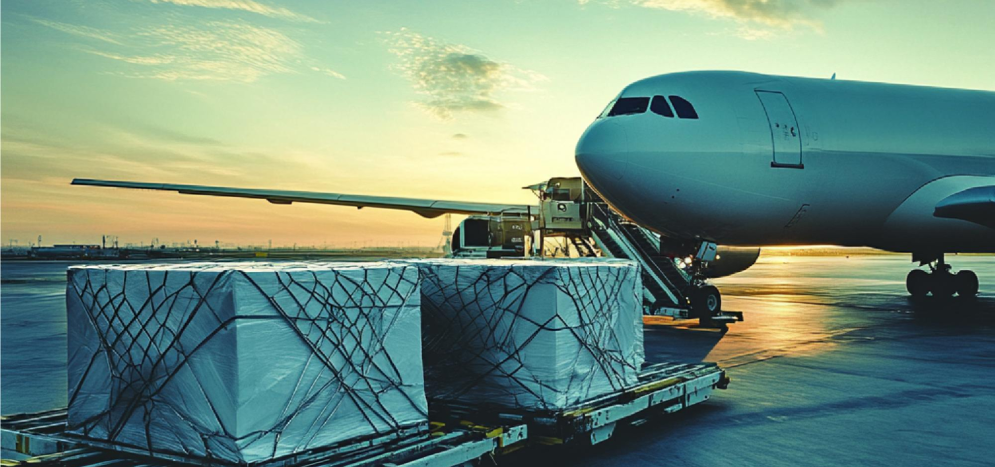
Choosing the right transportation method is a critical decision for businesses that depend on fast and reliable cargo movement. Whether shipping domestically across Canada or internationally, companies must evaluate speed, cost, flexibility, and operational risk. Partnering with a trusted logistics trucking company that understands multimodal freight solutions can simplify this decision and ensure supply chain efficiency.
Two of the most common air transport options are freight aircraft charter and regular air freight. While both move cargo by air, they differ significantly in structure, pricing, control, and suitability for specific shipment types. Understanding these differences allows businesses to align logistics strategies with operational goals.
This guide explores the distinctions between freight aircraft charter and scheduled air freight, helping you determine which solution best supports your business needs.
Understanding the Basics
What Is a Freight Aircraft Charter?
Freight aircraft charter involves hiring an entire aircraft exclusively for transporting your cargo. The aircraft operates according to your schedule, route, and cargo requirements. There is no consolidation with other shipments, and departure times are arranged based on urgency and operational priorities.
Charter solutions are commonly used for oversized cargo, urgent deliveries, and shipments that require direct routing. Because the aircraft is dedicated to a single client, businesses gain complete control over scheduling and capacity.
What Is Regular Air Freight?
Regular air freight operates on scheduled commercial cargo flights. Shipments are consolidated with goods from multiple customers and transported along predefined airline routes. Departure times and transit schedules are determined by airline operations rather than individual client needs.
Regular air freight works well for standard shipments that do not require urgent departure or specialized aircraft. It is a widely used option for businesses with predictable shipping timelines.
Key Operational Differences
The primary difference between freight aircraft charter and regular air freight lies in control and flexibility. Charter services provide exclusive use of the aircraft and customizable scheduling. Regular air freight follows airline timetables and shares space among multiple shipments.
Additionally, charter services typically offer direct routing with fewer handling points, while scheduled freight may involve transfers and layovers. These operational distinctions influence delivery timelines, risk exposure, and overall shipping efficiency.
Comparing Speed and Delivery Timelines
1. Transit Time Differences
Speed is often the deciding factor when comparing these two services. Freight aircraft charter offers direct flights from origin to destination, significantly reducing transit time. There are no intermediate stops unless specifically requested.
In contrast, regular air freight may include connecting flights and cargo transfers. These steps can extend overall delivery timelines, particularly for international shipments.
For businesses that require immediate delivery, charter options often provide the fastest solution. Companies also explore specialized services such as hand carry services for extremely time sensitive shipments that demand constant supervision and priority handling.
2. Scheduling Flexibility
Freight aircraft charter allows businesses to select departure times that align with production schedules or project deadlines. Flights can be arranged outside of standard airline operating windows if necessary.
Regular air freight operates on fixed schedules. If a shipment misses a scheduled flight, it must wait for the next available departure, which can cause delays.
3. Impact of Layovers and Transfers
Scheduled air freight commonly involves cargo transfers between aircraft. Each transfer increases handling time and the risk of delays. Customs procedures at connecting airports may also affect timelines.
Charter flights typically follow a direct route, minimizing handling stages and reducing potential disruptions.
Cost Comparison
-
How Freight Aircraft Charter Pricing Works
Freight aircraft charter pricing is calculated based on several factors, including aircraft type, distance, fuel consumption, crew requirements, airport fees, and ground handling services. Because the entire aircraft is reserved, the client covers the full operational cost of the flight.
While the upfront cost is higher than scheduled freight, the value lies in speed, flexibility, and reduced risk.
Businesses seeking customized solutions often evaluate air charter freight when urgency or cargo specifications justify the investment.
-
Standard Air Freight Cost Structure
Regular air freight pricing is generally based on chargeable weight, which considers both actual weight and volumetric weight. Because cargo space is shared, businesses only pay for the space their shipment occupies.
This pricing model is cost effective for smaller shipments that do not require exclusive aircraft use.
-
Hidden Costs to Consider
When comparing costs, businesses should consider indirect expenses. Delays in regular air freight can lead to storage fees, missed deadlines, or production disruptions. Additional transfers may also increase handling charges.
Charter freight minimizes many of these variables by providing direct service and dedicated capacity.
-
Cost Efficiency for Large or Urgent Shipments
For large scale shipments that would otherwise occupy a significant portion of a scheduled aircraft, charter services can become more economical. The efficiency gained through direct routing and time savings may offset higher initial costs.
Cargo Capacity and Flexibility
1. Oversized and Heavy Cargo Handling
Freight aircraft charter is particularly suitable for oversized and heavy cargo. Specialized aircraft with reinforced floors and large cargo doors accommodate machinery, industrial equipment, and project materials.
Scheduled air freight often has strict size and weight limitations, making it unsuitable for certain shipments.
2. Dedicated Aircraft vs Shared Cargo Space
Charter services provide exclusive access to the aircraft’s cargo hold. This eliminates competition for space and ensures the shipment is prioritized.
Regular air freight involves shared space, which may result in cargo being deferred if capacity limits are reached.
3. Special Handling Requirements
Certain goods require specific temperature control, security measures, or customized loading procedures. Charter services allow tailored handling arrangements to meet these needs.
Scheduled freight follows standardized procedures that may not accommodate specialized requirements.
Reliability and Risk Factors
-
Delay Risks in Regular Air Freight
Scheduled air freight is subject to airline operations, weather disruptions, and capacity constraints. Cargo may be delayed due to overbooking or missed connections.
-
Direct Routing in Aircraft Charters
Freight aircraft charter offers direct routing, reducing exposure to operational disruptions. Fewer handling points decrease the likelihood of misplacement or damage.
-
Security and Cargo Control
Dedicated aircraft use enhances cargo security. With fewer personnel involved in handling and fewer transfer stages, the risk of loss or tampering is minimized.
Best Use Cases for Freight Aircraft Charter in Canada
1. Emergency Logistics
When critical components or supplies must arrive immediately, charter services provide rapid deployment and direct delivery.
2. Large Scale B2B Projects
Major projects involving heavy equipment or high volume shipments benefit from the capacity and customization offered by charter aircraft.
3. Remote or Restricted Locations
Canada’s geography includes remote regions that may not be served by regular cargo airlines. Charter aircraft can operate from regional airports, ensuring direct access.
4. Time Critical Industrial Shipments
Manufacturing and industrial sectors rely on precise delivery schedules. Charter freight supports tight timelines and prevents operational downtime.
When Regular Air Freight Is Sufficient
Smaller Shipments
For lightweight or moderate volume shipments, regular air freight offers a cost effective and practical solution.
Flexible Delivery Windows
If delivery deadlines allow for standard transit times, scheduled freight can meet business needs without requiring exclusive aircraft use.
Budget Conscious Shipping
Businesses prioritizing cost savings over speed may find regular air freight more suitable for non urgent shipments.
How to Decide What’s Right for Your Business
1. Evaluating Shipment Size and Urgency
Assess cargo dimensions, weight, and delivery timeline. Urgent or oversized shipments often justify charter services, while standard goods with flexible deadlines fit scheduled freight.
2. Budget Considerations
Compare direct costs and potential indirect expenses. Consider the financial impact of delays, downtime, or missed contractual obligations.
3. Long Term Logistics Strategy
Businesses with recurring urgent shipments may benefit from establishing ongoing charter partnerships. Companies with predictable and routine shipping needs may rely primarily on scheduled freight.
For tailored guidance on selecting the right air solution, businesses can easily contact experienced logistics professionals for consultation and planning support.
Conclusion
Freight aircraft charter and regular air freight each serve distinct purposes within modern supply chains. Charter services deliver unmatched speed, flexibility, and direct routing, making them ideal for urgent, oversized, or high value shipments. Scheduled air freight offers cost efficiency and reliability for standard cargo with predictable timelines.
The right choice depends on your shipment’s specific requirements, budget considerations, and long term logistics strategy. By carefully evaluating operational priorities and understanding the advantages of each option, businesses can optimize transportation decisions and maintain efficient supply chain performance.
Frequently Asked Questions
1. What is the main difference between freight aircraft charter and regular air freight?
Freight aircraft charter provides exclusive use of an aircraft with customizable scheduling, while regular air freight operates on fixed airline schedules with shared cargo space.
2. Is a freight aircraft charter always faster?
Charter services are typically faster due to direct routing and flexible departure times. However, speed depends on aircraft availability and regulatory clearances.
3. When should a business choose regular air freight?
Regular air freight is suitable for smaller shipments with flexible delivery timelines and cost focused shipping strategies.
4. Can charter aircraft handle specialized cargo?
Yes, charter services can accommodate oversized, heavy, or specially handled cargo that may not fit within scheduled freight limitations.
5. How do I determine the most cost effective option?
Evaluate shipment size, urgency, risk tolerance, and potential indirect costs. Comparing these factors helps determine whether charter or scheduled freight offers better value.
