
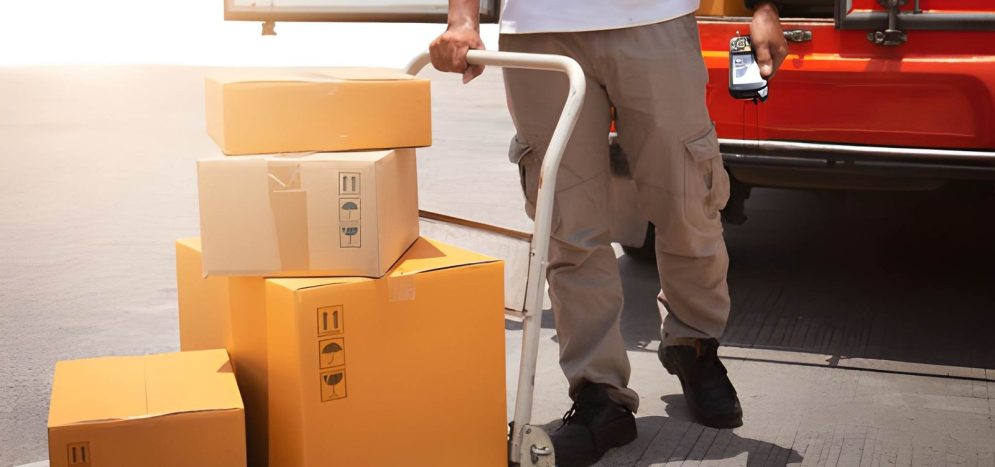
When a shipment is too urgent, sensitive, or important to move through a standard delivery network, businesses may need a more controlled transportation solution. Hand carry logistics allows a dedicated courier to personally accompany eligible cargo during commercial air travel, helping maintain oversight from collection through final delivery. This approach can be particularly useful for medical and technology companies handling critical equipment, components, prototypes, samples, or business materials.
Unlike conventional freight, where a shipment may pass through several facilities and handling points, hand carry delivery focuses on direct transportation and personal supervision. However, not every item can be transported this way. The shipment must meet airline, security, customs, packaging, and destination requirements.
What Is Hand Carry Logistics?
Hand carry logistics is a specialised transportation service in which a courier personally accompanies a shipment during its journey. The courier typically collects the package, travels with it as an onboard passenger, and personally delivers it to the designated recipient after arrival.
This approach is sometimes referred to as an onboard courier service. Rather than placing cargo into a conventional freight network and allowing it to move through multiple handling stages, the shipment remains under the courier’s direct supervision throughout the journey.
For companies dealing with urgent or difficult-to-replace items, this additional level of control can provide an important logistics option.
What Types of Shipments Can Use Hand Carry Logistics?
Hand carry transportation can be suitable for compact shipments that require urgent delivery or greater oversight. Medical and technology companies may use it for items such as specialised equipment, critical components, prototypes, samples, and important documents.
The exact suitability of a shipment depends on its size, weight, contents, packaging, airline requirements, customs regulations, and destination rules.
Before arranging transportation, businesses should provide complete information about the shipment so the logistics provider can determine whether hand carry transportation is appropriate.
1. Medical Equipment and Components
Medical organisations may sometimes need to move compact equipment or replacement components quickly between facilities, suppliers, laboratories, or other locations.
For example, an urgently required component could be needed to restore a medical device or support an important operational requirement. Using a dedicated courier may help reduce the uncertainty associated with standard shipping networks.
The shipment must still comply with all applicable transportation and handling requirements. Certain medical equipment may also have specific packaging, security, customs, or airline considerations.
2. Medical Samples and Time-Sensitive Materials
Some medical and laboratory materials may require carefully coordinated transportation. In appropriate circumstances, a hand carry service can provide direct supervision throughout the journey. However, medical samples and biological materials can be subject to strict regulations.
Their acceptance depends on the nature of the material, packaging, labelling, documentation, airline policies, and applicable regulations at both the origin and destination.
Companies should therefore provide accurate information about the contents before booking a service and review the relevant air freight restrictions where applicable.
3. Technology Components and Hardware
Technology companies can face situations where a missing component could delay testing, development, repairs, or deployment.
Compact hardware, replacement components, specialised equipment, and other eligible technology items may be suitable for hand carry transportation when they need to reach another location quickly.
This can be particularly useful when the component is difficult to replace locally or when waiting for conventional shipping would interfere with an important operational deadline.
4. Prototypes and Engineering Samples
Prototypes and engineering samples can represent significant development work and may be unique or difficult to replace. Keeping such items under direct supervision can be useful when they need to travel between engineering teams, manufacturers, testing facilities, or customers.
A hand carry courier can personally accompany an eligible prototype throughout its journey, reducing the number of uncontrolled transfers that might occur within a conventional logistics network.
Businesses should still use appropriate protective packaging and clearly communicate any handling requirements before transportation begins.
5. Documents and Business-Critical Materials
Certain physical documents and business materials may also require direct delivery. Examples can include technical documentation, contracts, engineering paperwork, product information, and other important physical records.
When confidentiality and delivery timing are important, having a courier personally transport the material can provide greater control over who handles it during transit.
Companies should consider their internal security requirements as well as any customs or transportation rules that apply to the shipment.
When Should a Company Use Hand Carry Services?
Hand carry services are generally most useful when a shipment has a genuine need for speed, control, or direct oversight. A business may consider this option when a standard shipment has been delayed, a critical component is urgently required, or a customer deadline cannot be met through conventional transportation.
Medical and technology companies may also use hand carry transportation when they need to move a unique prototype, replacement equipment, critical sample, or other compact item between international locations. For particularly urgent requirements, time-critical freight may also be considered.
How Does an Onboard Courier Work?
An onboard courier personally accompanies the shipment during commercial air travel.
The process typically begins with collection from the sender. The shipment is checked against applicable requirements and prepared for travel. The courier then takes the shipment through the appropriate airport procedures and travels with it to the destination.
After arriving, the courier completes the required steps and personally delivers the shipment to the designated recipient.
The exact process can vary depending on the route, shipment type, airline, customs requirements, and destination.
Benefits of Hand Carry Delivery Service
One of the main advantages of a hand carry delivery service is the level of direct oversight it provides. Instead of relying entirely on a conventional network with multiple facilities and transfers, the shipment remains with a dedicated courier during the air journey.
This can provide businesses with greater visibility and control when handling urgent or sensitive cargo.
1. Direct Shipment Oversight
A courier personally accompanying the shipment can reduce the number of times it changes hands during transportation.
This can be particularly valuable for fragile, sensitive, confidential, or difficult-to-replace items where businesses want to minimise unnecessary handling.
2. Faster Response for Urgent Shipments
Traditional shipping schedules may not always meet an urgent requirement. Hand carry transportation provides another option when a business needs an eligible shipment to travel quickly.
For medical and technology companies, faster transportation can help address unexpected equipment requirements, urgent replacement needs, or important development deadlines.
3. Greater Control and Visibility
Businesses can receive updates about the shipment’s progress and maintain communication with the courier or logistics provider throughout the journey.
This additional visibility can be useful when the shipment is particularly important and the sender needs greater confidence about its location and delivery status.
What Cannot Be Shipped Using Hand Carry Logistics?
Not every shipment is suitable for hand carry transportation.
Airline security rules, aviation regulations, customs requirements, and destination laws can restrict certain goods. Dangerous goods, prohibited items, some liquids, certain batteries, oversized cargo, and particular biological materials may require specialised transportation or may not be accepted through a standard onboard courier arrangement.
The exact restrictions depend on the shipment and route. This means businesses should never assume that an item can be hand carried simply because it is small enough to travel with a passenger.
Providing complete and accurate information about the shipment’s contents is essential. This allows the logistics provider to assess the requirements before travel is arranged.
What Medical Companies Should Consider Before Booking?
Medical companies should carefully evaluate the contents and handling requirements of any shipment before selecting hand carry transportation.
Important considerations can include packaging, labelling, documentation, temperature requirements, chain of custody, customs procedures, and destination regulations.
If the shipment contains biological materials, samples, medication, equipment with batteries, or other regulated items, additional requirements may apply.
The safest approach is to disclose the shipment’s exact contents and requirements before booking. This allows the transportation provider to determine whether the shipment can be accepted and what procedures are necessary.
What Technology Companies Should Consider Before Booking?
Technology companies should consider both the physical characteristics and business importance of the shipment.
Prototypes, specialised hardware, replacement components, and engineering samples may require protective packaging and careful handling. Devices containing batteries or other regulated components may also be subject to specific transportation requirements.
Confidentiality can be another consideration. If a shipment contains proprietary hardware or development materials, businesses should establish appropriate security and chain-of-custody procedures.
It is also important to communicate the delivery deadline clearly so the provider can identify an appropriate travel arrangement.
Hand Carry Logistics vs Standard Courier Services
Standard courier services are suitable for a wide range of everyday shipments and can provide an efficient way to move goods through established delivery networks. Hand carry logistics is more specialised. It is generally considered when a shipment requires greater control, personal supervision, or particularly rapid transportation.
With conventional courier shipping, a package may move through multiple sorting facilities and transportation stages. With an onboard courier, the shipment is personally accompanied during the air journey. Businesses comparing these options can also review express shipping to understand how different delivery approaches compare.
How to Choose the Right Hand Carry Service Provider
Businesses should look for a provider with experience managing urgent international shipments and a clear understanding of air travel, customs, security, and cargo-handling requirements.
Global coverage is also important when shipments need to travel between international destinations. Companies should consider whether the provider can arrange suitable onboard couriers, provide communication throughout the journey, and coordinate collection and final delivery.
Experience with medical or technology shipments can be particularly valuable when the cargo has specialised handling requirements.
A reliable provider should also be transparent about what information is needed before accepting the shipment.
Questions to Ask Before Booking Hand Carry Services
Before booking a hand carry service, businesses should confirm whether the shipment is eligible for transportation and what documentation or packaging requirements apply.
It is useful to ask about the expected delivery timeframe, airport procedures, customs requirements, handling arrangements, communication during transit, and proof of delivery.
For regulated or sensitive shipments, businesses should also confirm whether the provider has experience handling similar cargo and whether additional transportation requirements apply.
Asking these questions in advance can help prevent avoidable problems and ensure that the selected service matches the shipment’s needs.
Is Hand Carry Logistics Right for Your Shipment?
Hand carry logistics can be a valuable option when a shipment is urgent, sensitive, high-value, compact, or difficult to replace. For medical companies, it may provide a solution for eligible equipment, components, samples, or other time-sensitive materials.
For technology companies, it can help move prototypes, critical hardware, replacement components, and engineering materials when standard shipping is too slow or lacks the required level of control. However, the service is not appropriate for every shipment.
Businesses should evaluate the contents, regulations, destination, handling requirements, and urgency before making a decision. Sprinter Air can help businesses evaluate urgent transportation requirements and coordinate suitable hand carry solutions for eligible shipments.
Conclusion
Hand carry logistics provides businesses with a specialised way to transport eligible cargo under the direct supervision of an onboard courier. This can be particularly useful for medical and technology companies that need to move critical equipment, components, prototypes, samples, or important materials quickly.
The biggest advantages are direct oversight, faster response, greater visibility, and reduced reliance on multiple conventional handling points. At the same time, businesses must recognise that airline, security, customs, and regulatory restrictions apply to certain types of cargo. Before booking a hand carry service, provide accurate shipment details, confirm eligibility, understand the applicable requirements, and choose a provider with appropriate international logistics experience.
When speed and control are essential, hand carry transportation can provide a practical solution for moving critical cargo across borders. Contact Sprinter Air to discuss your shipment requirements.
Frequently Asked Questions
1. What is hand carry logistics?
Hand carry logistics is a specialised transportation service in which a courier personally accompanies an eligible shipment during commercial air travel and delivers it directly to the designated recipient.
2. What can be shipped using hand carry services?
Eligible shipments can include compact medical equipment, technology components, prototypes, engineering samples, urgent replacement parts, and important documents. Acceptance depends on the shipment contents, size, packaging, airline requirements, customs rules, and destination regulations.
3. What is an onboard courier?
An onboard courier is a dedicated courier who personally travels with a shipment during commercial air transportation. The courier maintains oversight of the shipment and completes the delivery to the designated recipient.
4. Can medical samples be transported using hand carry logistics?
Some medical samples may be eligible, but this depends on their nature, packaging, documentation, applicable regulations, airline policies, and destination requirements. Businesses should disclose the exact contents before arranging transportation.
5. Can technology equipment be sent using hand carry delivery service?
Eligible technology equipment and components can potentially be transported using hand carry services. However, factors such as size, batteries, security requirements, packaging, customs, and airline restrictions must be considered before booking.
