
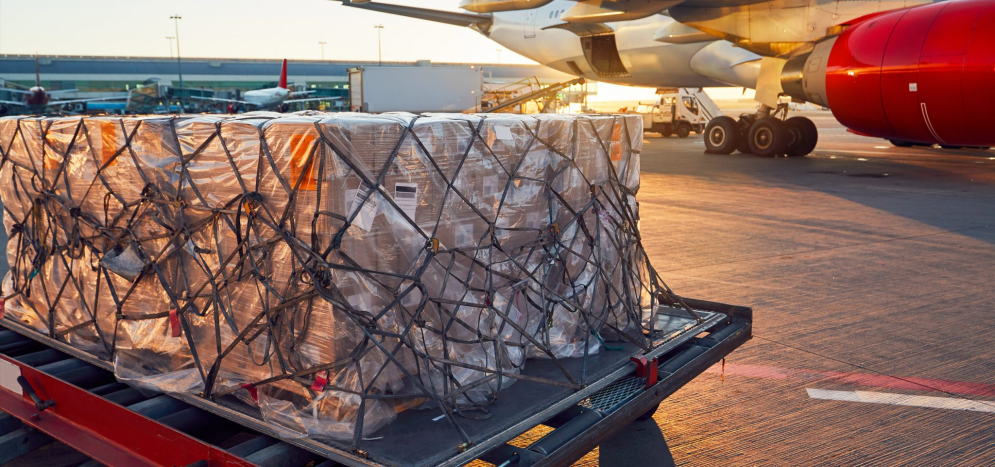
Manufacturing operations depend on a steady flow of materials, components, replacement parts, and finished goods. When an important shipment is delayed, the impact can extend far beyond the delivery date. A missing component can interrupt production schedules, delay customer orders, create additional labour costs, and affect commitments across the supply chain. Air freight services give manufacturers a way to move critical shipments quickly when standard transportation options cannot meet the required timeline.
For manufacturers, the value of air freight is not simply speed. It can provide greater flexibility when unexpected supply chain problems occur, helping businesses respond to urgent requirements without allowing a single delayed shipment to disrupt an entire production operation.
Why Production Delays Are So Costly
Manufacturing facilities often operate according to carefully coordinated production schedules. Raw materials arrive at specific times, components move between stages, and finished products are prepared for delivery according to customer demand.
When one important item fails to arrive on schedule, the disruption can spread.
A missing component may prevent a production line from completing an assembly. A delayed replacement part may keep equipment out of service. A shipment of raw materials that arrives late may force production teams to change schedules or wait for the next available supply.
The consequences can include:
- Production downtime
- Missed customer deadlines
- Additional labour costs
- Expedited transportation expenses
- Equipment downtime
- Inventory imbalances
- Delayed distribution
- Disrupted customer relationships
This makes transportation an important part of manufacturing continuity.
How Air Freight Supports Manufacturing Logistics
Manufacturing logistics involves coordinating the movement of materials and products from suppliers to production facilities and ultimately to customers.
Air transportation can support this process when shipment timing is particularly important. Compared with slower transportation methods, air freight can significantly reduce transit time for eligible shipments. This can be particularly useful when a manufacturer needs to replace a missing component, replenish critical inventory, or move an urgent shipment between locations.
Air freight can therefore function as a strategic option within a broader manufacturing logistics plan rather than simply being an alternative shipping method. Businesses managing complex supply chains can also consider air freight logistics when coordinating time-sensitive shipments.
When Should Manufacturers Consider Air Freight?
Air freight may be appropriate when the cost of waiting is greater than the additional transportation expense.
Not every manufacturing shipment requires urgent air transportation. Large, predictable shipments with flexible delivery schedules may be better suited to other freight methods.
Air freight becomes more relevant when:
- A production line is at risk of stopping
- A critical component is unexpectedly unavailable
- A supplier experiences a delay
- A replacement machine part is needed urgently
- A customer order has a strict deadline
- Inventory levels have unexpectedly fallen
- A shipment needs to reach an international destination quickly
- A time-sensitive product must move between facilities
The decision should consider both transportation costs and the potential financial impact of delaying production.
Using Air Freight to Handle Critical Components
Many manufacturing processes depend on individual components that may be small but operationally essential.
A manufacturer might have plenty of inventory overall but still be unable to complete a product because one particular component is missing.
For example, an electronic manufacturer may need a specific component before an assembly line can continue. An automotive supplier may need an urgently sourced part to maintain production. An industrial facility may require a replacement component to restore equipment operation.
In situations like these, transporting the critical item quickly can help reduce the length of the disruption.
Emergency Freight for Unexpected Supply Chain Problems
Manufacturing disruptions do not always happen according to a schedule.
A supplier may experience an equipment failure. A shipment may be delayed in transit. A critical part may be damaged during transportation. Demand may suddenly increase beyond forecasted levels.
Emergency freight provides manufacturers with an option for responding to these unexpected situations.
Instead of waiting for the next standard shipment cycle, a business can evaluate whether moving the required goods through a faster transportation method is appropriate.
The goal is not necessarily to replace the existing supply chain. It is to provide a response when normal transportation timelines no longer meet operational requirements.
How Expedited Shipping Can Reduce Downtime
Expedited shipping can help shorten the period between identifying a supply problem and receiving the materials needed to address it.
For manufacturers, every hour of downtime can have operational consequences. Production employees may be unable to complete scheduled work, equipment may remain unused, and downstream activities can also be affected.
When a critical shipment is time-sensitive, time-critical freight can help reduce the waiting period.
However, faster transportation should be evaluated alongside factors such as shipment size, destination, urgency, handling requirements, and total logistics costs.
Air Freight for Replacement Parts
Replacement parts are another common reason manufacturers may need urgent transportation.
Manufacturing equipment can require specialised components that are not readily available locally. Waiting for a replacement through a standard shipping method may extend equipment downtime.
Air freight can provide a faster way to move replacement parts from suppliers, distribution centres, or other facilities.
This can be especially useful for specialised equipment where one unavailable component can affect an entire production process.
Supporting Just-in-Time Manufacturing
Just-in-time manufacturing relies on coordinating inventory and deliveries closely with production requirements.
This approach can reduce the need to hold excessive inventory, but it also means that transportation delays can create greater operational pressure.
When a shipment does not arrive as expected, air transportation can sometimes provide a rapid replenishment option.
Manufacturers can use air freight as a contingency within their logistics strategy, helping them respond when a planned shipment is delayed or inventory falls below operational requirements.
Air Freight and International Manufacturing
Global manufacturing networks often involve suppliers, production facilities, warehouses, and customers located in different countries.
International supply chains can introduce additional transportation and coordination challenges. A component may need to travel across borders before it reaches the facility where it is required.
Air transportation can shorten the physical transit portion of an international shipment, which can be valuable when timing is critical.
However, international air freight still requires appropriate documentation, customs procedures, packaging, and coordination. Faster transportation does not eliminate the need to comply with import and export requirements.
Reducing the Impact of Supplier Delays
Supplier delays can create difficult decisions for manufacturers.
If a supplier cannot deliver an essential component on time, the manufacturer may need to determine whether production can continue using existing inventory or whether an alternative transportation solution is necessary.
Air freight can help bridge this gap when replacement inventory is available but standard delivery would take too long.
This makes transportation flexibility an important part of supplier risk management.
When Air Freight Can Be More Cost-Effective
Air freight generally involves a higher transportation cost than slower shipping options. However, the cheapest transportation method is not necessarily the least expensive option for the business as a whole.
Consider a manufacturer that needs a critical component to complete an urgent customer order. Choosing a slower shipping method might save on transportation costs but result in production downtime and a missed delivery commitment.
In contrast, faster transportation may involve a higher freight cost but reduce the broader financial impact of the disruption.
Manufacturers should therefore evaluate the total business impact rather than looking only at the freight charge.
What Manufacturers Should Consider Before Shipping by Air
Before choosing air freight for an urgent shipment, manufacturers should evaluate several factors.
1. Shipment Urgency
Determine how quickly the shipment is actually needed. A shipment required within days may have different transportation requirements from one needed within hours.
2. Shipment Size and Weight
The dimensions and weight of the shipment can affect transportation options, handling requirements, and overall costs.
3. Destination
International and domestic shipments can involve different documentation, routing, customs, and delivery considerations.
4. Cargo Requirements
Some manufacturing goods may require specialised packaging, careful handling, or specific transportation conditions.
5. Delivery Deadline
Identify the actual operational deadline rather than simply requesting the fastest possible service.
6. Total Business Impact
Compare the transportation cost with the potential consequences of production downtime, missed deadlines, delayed orders, or equipment inactivity.
Air Freight as Part of a Business Continuity Strategy
Business continuity planning focuses on helping organisations continue essential operations when unexpected disruptions occur.
Transportation plays an important role in this planning because manufacturers depend on reliable movement of materials and components.
A manufacturer can identify critical suppliers, essential components, alternative transportation options, and emergency shipping procedures in advance.
Having an air freight option available can provide another layer of flexibility when normal transportation arrangements are disrupted.
How to Build an Emergency Freight Plan
Manufacturers can prepare for transportation disruptions before they happen.
A practical emergency freight plan may include:
- Identifying components that could stop production if unavailable
- Maintaining updated supplier and logistics contacts
- Establishing alternative transportation options
- Defining internal approval procedures for urgent shipments
- Understanding documentation requirements
- Identifying critical delivery locations
- Monitoring inventory levels for essential components
- Reviewing transportation providers before an emergency occurs
Preparation can make it easier to act quickly when a supply chain problem develops.
Air Freight for High-Value Manufacturing Goods
Some manufacturing products and components have significant value relative to their size.
For these shipments, reducing transit time can provide operational and inventory benefits. Shorter transportation timelines can also help businesses move critical goods between facilities without leaving them in transit for longer than necessary.
However, security, packaging, handling, insurance, and documentation should all be considered when transporting high-value goods.
How Air Freight Supports Customer Commitments
Manufacturers are often responsible for meeting delivery commitments made to distributors, businesses, retailers, or other customers.
A production delay can eventually become a customer delivery delay.
When a critical material or component is available but transportation is the bottleneck, expedited air transportation can help manufacturers recover some of the lost time.
This can be particularly relevant when customers have strict deadlines or when a delayed order could affect their own operations.
Air Freight vs. Standard Shipping for Manufacturers
Standard shipping can remain the appropriate choice for routine, predictable shipments where timing is flexible.
Air freight becomes more relevant when speed has a direct operational or commercial value.
The decision can be viewed in terms of urgency:
Routine shipment: Standard transportation may provide the required balance between cost and delivery time.
Time-sensitive shipment: Faster transportation may be worth considering when a delay could affect production or customer commitments.
Emergency shipment: Air freight or another expedited option may be appropriate when an essential component is urgently required.
The right choice depends on the shipment and the consequences of delay rather than speed alone.
Common Mistakes Manufacturers Should Avoid
Manufacturers can reduce transportation-related disruptions by avoiding several common mistakes.
One mistake is waiting until a production line has already stopped before identifying an emergency transportation option.
Another is choosing a transportation method based solely on the lowest freight price. The broader cost of downtime may be much greater.
Manufacturers should also avoid assuming that every urgent shipment requires the fastest possible service. Proper planning involves determining the actual deadline and selecting an appropriate service level.
Finally, international shipments should not overlook customs and documentation requirements. A fast flight does not help if the shipment cannot clear the necessary processes.
Choosing an Air Freight Provider
When selecting a provider for manufacturing shipments, businesses should consider more than advertised transit speed.
Important factors can include:
- Experience handling time-sensitive shipments
- Domestic and international coverage
- Emergency freight capabilities
- Shipment tracking and communication
- Handling procedures
- Documentation support
- Availability outside standard business hours
- Ability to coordinate urgent logistics requirements
Clear communication is particularly important during production disruptions because manufacturers need accurate information to coordinate their operations.
Businesses that require specialised air transportation can also consider freight aircraft charter when standard freight options do not meet their requirements.
How Sprinter Air Supports Time-Sensitive Shipments
Sprinter Air provides air freight solutions for businesses that need to move time-sensitive shipments efficiently.
For manufacturers, this can include urgent components, replacement parts, production materials, and other shipments where delivery timing matters.
Our approach focuses on understanding the shipment requirements, destination, urgency, and handling needs so the appropriate transportation solution can be arranged.
When a manufacturing operation faces an unexpected logistics challenge, having access to a responsive air freight provider can give the business another option for keeping critical shipments moving.
Conclusion
Production delays can affect far more than a single shipment. A missing component can interrupt manufacturing schedules, create additional costs, delay customer orders, and disrupt operations throughout the supply chain.
Air freight services can give manufacturers a faster transportation option when standard shipping timelines are not suitable. Whether the need involves an emergency replacement part, critical component, supplier delay, or time-sensitive customer order, air transportation can help businesses respond to unexpected logistics challenges.
The key is knowing when speed provides enough operational value to justify the additional transportation cost. With proper planning and a reliable logistics partner, manufacturers can use air freight as part of a broader strategy for managing supply chain disruptions and supporting business continuity. Businesses can contact our team to discuss their specific transportation requirements.
Frequently Asked Questions
1. How can air freight help manufacturers avoid production delays?
Air freight can reduce transportation time for critical materials, components, and replacement parts. This can help manufacturers receive essential items sooner when standard shipping would take too long.
2. When should a manufacturer use emergency freight?
Emergency freight may be appropriate when a critical component, replacement part, or production material is urgently required and normal transportation timelines could result in significant operational disruption.
3. Is air freight suitable for all manufacturing shipments?
No. Air freight is generally most relevant when delivery speed has significant operational value. Routine shipments with flexible deadlines may be better suited to other transportation methods.
4. Can air freight be used for international manufacturing shipments?
Yes. Air freight can be used for international shipments, although businesses must consider customs procedures, documentation, packaging, handling requirements, and destination-specific regulations.
5. How should manufacturers choose an air freight provider?
Manufacturers should consider the provider’s experience with time-sensitive shipments, coverage, emergency capabilities, communication, tracking, handling procedures, and ability to support urgent logistics requirements.
